 English
 简体中文
简体中文
 عربي
عربي
 Русский
 Français
 Español
What is the cost of vibrating screen?
The vibrating screen is an indispensable screening equipment in sand and gravel production lines, mineral processing, solid waste sorting and other processes. Its cost varies significantly depending on the type, processing capacity, screening accuracy and manufacturing materials. Understanding the cost structure helps investors reasonably plan the budget.
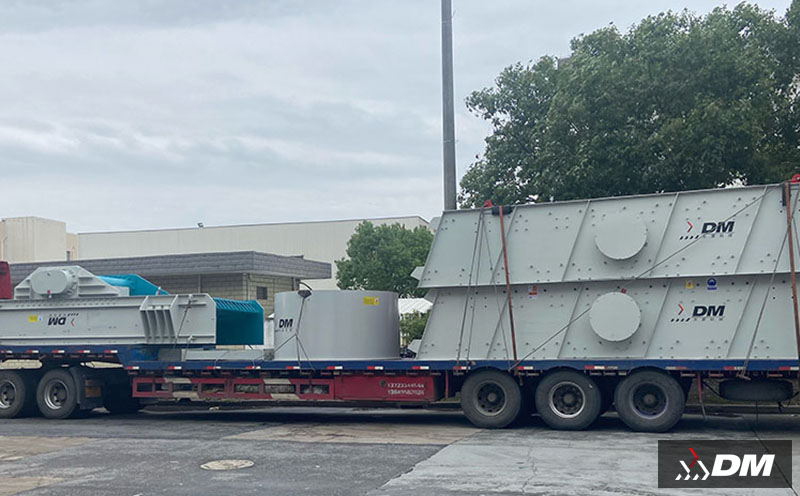
1. Common Types and Reference Price Range
The following are the approximate price ranges of mainstream vibrating screens in the international market (quoted in US dollars):
Circular vibrating screen: $4,200 – $42,000. Featuring simple structure and low failure rate, it is suitable for particle size classification of sand and gravel aggregates and the most widely used type.
Linear vibrating screen: $5,600 – $56,000. Driven by dual motors, it delivers high screening efficiency and is ideal for dewatering, medium removal or dry screening of fine materials.
Banana screen: $21,000 – over $112,000. With large processing capacity, it is applicable for high-intensity screening operations in coal mines and large-scale mines.
High-frequency screen: $7,000 – $49,000. Featuring high vibration frequency, it is mainly used for wet screening or classification of fine materials.
2. Five Key Factors Affecting Cost
Screening area and layers: The larger the screen area and the more layers (usually 1-3 layers), the higher the cost. When the area doubles, the price generally increases by 60%–100%.
Processing capacity: The price difference between a vibrating screen with an hourly output of 50 tons and 500 tons may be 3-6 times.
Vibrator type: Eccentric shaft vibrator has simple structure and lower cost; block eccentric vibrator features convenient amplitude adjustment and long maintenance cycle with a higher price.
Screen mesh material and type: Polyurethane screen mesh has outstanding wear resistance with a service life 3-5 times that of steel woven mesh, yet with higher initial purchase cost; stainless steel woven mesh is low-priced but requires frequent replacement.
Structural materials and technology: Equipment with manganese steel or weathering steel frame and overall annealing treatment after welding costs more than ordinary carbon steel welded equipment, with better fatigue resistance.
3. Installation and Supporting Costs
In addition to the equipment itself, the following expenses should be taken into account:
Foundation production costs (shock absorption spring base, steel-concrete structure)
Design of feeding and discharging chutes
Dust-proof sealing or spray system (environmental protection requirements)
Motor control cabinet and cables
These supporting costs usually account for 15%–30% of the equipment cost.
4. How to Get an Accurate Quotation?
Since vibrating screens need customized design according to material characteristics (particle size, humidity, viscosity) and working conditions, the final cost is subject to the configuration solution provided by the manufacturer. It is recommended to provide the following information for a more accurate quotation:
Material name and density
Maximum feed size and target classification particle size
Required processing capacity (tons per hour)
Wet screening or dry screening
If you need to further learn about vibrating screen selection suitable for your project and the latest market reference price, please provide specific working condition requirements.
What are the common problems with vibrating screens?
The vibrating screen is a key screening equipment in sand and gravel production lines, mining processing and solid waste separation. Under long-term high-load operation, vibrating screens are prone to typical faults. Quickly identifying causes and adopting correct solutions can effectively reduce shutdown losses. The following are the most common faults and solutions based on global user feedback.
1. Unqualified Screening Effect
Symptoms: Reduced screening accuracy, excessive fine materials in oversize materials or unqualified coarse particles in undersize materials.
Common Causes:
Severe wear or holes on the screen mesh
Uneven feeding with materials accumulating on one side
Improper excitation force adjustment of vibration motor (too small or too large amplitude)
Screen hole blockage caused by sticky wet materials or trapped fine particles
Solutions: Regularly inspect and replace the screen mesh, adjust the feeding device to ensure uniform material distribution, re-adjust the excitation force according to material properties, and adopt self-cleaning polyurethane screen mesh or add spray devices for sticky and wet materials.
2. Side Plate Cracking or Cross Beam Fracture
Symptoms: Abnormal noise during operation, cracks found on side plates or cross beams after shutdown inspection.
Common Causes:
Long-term overload operation or frequent start and stop
Resonance caused by the excitation force being close to the natural frequency of the screen box
Poor welding quality or base material fatigue
Uneven spring supports leading to uneven stress on the screen box
Solutions: Strictly control the feeding volume and avoid long-term overload operation. Repair and reinforce cracks in a timely manner, and replace damaged parts in severe cases. Calibrate the horizontal level of spring supports to ensure consistent compression of four groups of springs.
3. Overheating or Damage of Bearings
Symptoms: Abnormal temperature rise of bearing parts (exceeding 75℃) or increased operating noise.
Common Causes:
Insufficient, deteriorated or incorrect model of lubricating oil
Too small or excessive bearing clearance
Failed vibrator seal leading to dust intrusion
Expired bearing service life (generally 2000-5000 working hours for vibrating screen bearings)
Solutions: Regularly fill or replace lubricating grease in accordance with equipment instructions. Strictly control bearing clearance during installation. Inspect and replace sealing parts regularly. Establish a bearing maintenance record sheet for advance replacement arrangement.
4. Obvious Reduction of Amplitude
Symptoms: The vibrating screen runs normally while materials hardly bounce, resulting in sharp drop of screening efficiency.
Common Causes:
Failure of vibration motor or vibrator (burned coil, loose eccentric block)
Fatigue and fracture of rubber springs or metal coil springs
Low voltage or slipping transmission belt
Solutions: Detect motor current and vibrator operation, and fasten loose eccentric blocks. Inspect all springs and replace failed components. Measure power voltage and adjust the tension of transmission belts.
5. Abnormal Noise and Loose Bolts
Symptoms: Metal impact sound or sharp abnormal noise during equipment operation.
Common Causes:
Loose bolts of screen plates and pressure strips
Worn bearing retainer of the vibrator
Collision between springs and supports
Hard connection between screen box and chutes
Solutions: Fasten all connecting bolts after shutdown (special anti-loosening nuts for vibrating screens are more reliable). Check spring alignment, and replace the rigid connection between screen box and inlet/outlet chutes with flexible sealed connection.
Daily Prevention Suggestions
To reduce the failure rate of vibrating screens, formulate a regular inspection system: check screen mesh wear and loose bolts per shift; measure no-load amplitude and working current every week; inspect spring status and bearing temperature every month; detect welding cracks on screen box side plates every six months.
Dongmeng Service Support
Shanghai Dongmeng is a high-tech enterprise integrating R&D, manufacturing and sales of solid waste recycling, mobile and fixed complete crushing and screening equipment. We provide customized solutions from single machines to full production lines. All supporting vibrating screens undergo strict factory testing before delivery. If you encounter screening equipment faults, or need to replace accessories such as screen meshes and springs, please contact us for professional technical support and equipment selection advice.
Get In Touch With Us