 English
 简体中文
简体中文
 عربي
عربي
 Русский
 Français
 Español
Fixed Jaw Crushers for Cement Plants: Reliable Raw Material Preparation
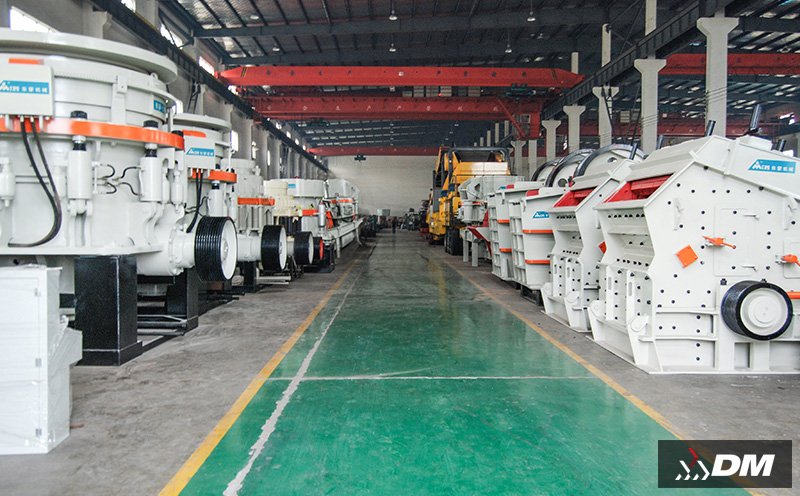
Cement manufacturing is one of the most demanding continuous-process industries in the world. A modern integrated cement plant runs around the clock, 365 days a year, and every stage of the process depends on the one before it. At the very front of the line—before the raw mill, before the preheater, before the kiln—sits the primary crushing station. If the fixed jaw crusher at the quarry face or in the raw material preparation building stops, everything downstream stops with it. For cement producers, this means that crusher reliability is not just an equipment specification—it is a production guarantee, a cost driver, and a risk factor all rolled into one. A properly selected fixed jaw crusher handles the full range of cement raw materials—limestone, clay, marl, shale, iron ore—with consistent throughput, predictable wear, and the availability that 24/7 operations demand. Unlike mobile crushers designed for temporary jobs, a stationary jaw for cement service is built for the heaviest duty cycles, the largest feed sizes, and the longest service intervals.
The Unique Challenges of Cement Raw Material Crushing
Cement plants face a set of crushing challenges that quarries and aggregate producers do not. First, the raw material mix is variable. While limestone is the main component, most cement formulations also include clay, shale, sand, iron ore, and corrective materials. These materials have very different physical properties—from hard, abrasive limestone to sticky, clayey marl—and the crusher must handle them all without plugging or excessive wear. Second, the feed size is often very large. Blast fragmentation in limestone quarries produces boulders a meter or more across, and the primary crusher must accept them without pre-breaking. Third, downtime is disproportionately expensive. A cement kiln cannot simply be shut down and restarted without significant cost and thermal stress. If the raw mill runs out of feed because the crusher is down, the plant may have to reduce kiln feed, clinker production falls, and cement output drops. The financial impact of even a few hours of crusher downtime can be enormous. Fourth, wear rates are high, especially when the limestone contains silica or chert inclusions. Abrasive feed wears jaw plates quickly, and frequent liner changes reduce availability.
How a Heavy-Duty Fixed Jaw Crusher Meets Cement Plant Requirements
Deep Chamber Design for Large Feed and High Throughput
A cement-grade fixed jaw crusher features a deep, steeply angled crushing chamber designed to accept very large feed sizes—up to 1500 mm on the largest models—and deliver high throughput with minimal bridging. The deep chamber ensures that material is actively drawn down through the crushing zone rather than sitting at the top, which is essential for handling the slabby, irregular feed typical of blasted limestone. Combined with a long stroke at the bottom of the jaw, this design produces consistent discharge even with sticky clay-bearing feed that would choke a shallower machine.
Heavy-Duty Construction for Continuous Duty
Cement plants run 24 hours a day, and the fixed jaw crusher must keep pace. Cement-duty jaw crushers feature heavier, stress-relieved steel frames, larger-diameter forged eccentric shafts, and bigger bearings than comparable aggregate-duty machines. The toggle mechanism—whether single-toggle or double-toggle Blake design—is sized for continuous operation rather than intermittent duty. The flywheels are heavier to smooth out the cyclic crushing loads and reduce peak power demand, which is important for plants with limited electrical capacity or high demand charges.
Abrasion-Resistant Jaw Plates for Long Wear Life
Because cement raw materials often contain abrasive silica, quartz, or chert, jaw plate wear is a major cost factor. A cement-spec fixed jaw crusher uses high-manganese steel jaw plates—often with 18% or 22% Mn content—that work-harden during service, developing a tough surface that resists abrasion. Some plants opt for bimetallic plates or carbide-reinforced sections in high-wear zones to further extend life. The ability to rotate or flip jaw plates to use both wear faces is standard on modern designs, effectively doubling service intervals and reducing maintenance labor.
Integrated Grizzly Feeder and Surge Hopper
In cement plant installations, the fixed jaw crusher is almost always paired with a heavy-duty vibrating grizzly feeder and a large surge hopper. The grizzly removes fines and clay before they enter the crushing chamber, reducing unnecessary wear and preventing packing. The surge hopper provides a buffer between the dump truck or apron feeder and the crusher, ensuring continuous, even feeding that maximizes throughput and reduces cyclic loading on the drive train. This integrated approach is standard in well-designed cement raw preparation circuits.
Application Scenarios in Cement Production
Primary Limestone Crushing at the Quarry Face
Many large cement plants install the primary fixed jaw crusher right at the quarry face, with crushed material conveyed by long overland belt to the raw mill. This quarry-side installation reduces haulage costs—dump trucks only have to travel within the quarry, not all the way to the main plant. The jaw crusher reduces run-of-mine limestone from 1000–1500 mm down to 150–250 mm, which is a suitable feed size for the secondary crusher or raw mill.
In-Plant Primary and Secondary Crushing Circuit
Some cement plants locate the entire crushing circuit within the main plant boundary. A primary fixed jaw crusher handles the initial reduction, and a secondary crusher—often a fixed impact crusher for softer limestone or a fixed cone crusher for harder, more abrasive formations—reduces the material further before it enters the raw mill. This two-stage arrangement produces a finer, more consistent mill feed that improves grinding efficiency and reduces specific power consumption in the mill.
Clay and Additive Material Crushing
While limestone is the primary material, cement plants also crush clay, shale, sand, iron ore, and other corrective additives. A smaller fixed jaw crusher or a dedicated hammer crusher typically handles these secondary materials. Because these materials are often softer but sometimes stickier, the jaw crusher must be selected with appropriate chamber geometry and discharge gap to avoid plugging.
Alternative Fuel Pre-Crushing
As cement plants increasingly use alternative fuels—tires, waste wood, industrial waste—some operations use modified jaw crushers or shredders for pre-sizing these materials before they enter the kiln or calciner. While not the traditional application, the robust construction of a fixed jaw crusher makes it suitable for certain types of refuse-derived fuel preparation.
Customer Benefits and Return on Investment
Maximum Availability for Continuous Operations
The single most important benefit of a properly specified fixed jaw crusher in cement service is availability. Heavy-duty construction, quality components, and proven design combine to deliver 95%+ availability when maintained correctly. For a plant producing thousands of tons of clinker per day, each additional percentage point of availability translates directly into additional production and revenue.
Predictable Wear Costs and Maintenance Scheduling
Cement plant operators plan their maintenance shutdowns carefully, often aligning them with kiln refractory repairs. A fixed jaw crusher with known, predictable wear characteristics allows maintenance teams to schedule jaw plate changes and bearing inspections during planned outages rather than reacting to failures. This predictability reduces unplanned downtime and makes maintenance budgeting straightforward.
Energy Efficiency and Power Demand Management
The heavy flywheels on a fixed jaw crusher smooth out power demand, reducing peak electrical load. For cement plants operating in regions with high demand charges or limited grid capacity, this load smoothing can result in significant electricity cost savings. The crushing action itself is also energy-efficient for the size reduction it achieves, especially compared to hammer mills or other high-speed alternatives for hard rock.
Long Service Life and Asset Value
A heavy-duty fixed jaw crusher is a long-term asset. Many cement plants have jaw crushers that have been in service for 30 or 40 years, with rebuilds of bearings and toggle mechanisms but the original frame still going strong. This long service life means the initial capital investment is amortized over decades, and the crusher retains substantial residual value even after many years of operation.
Selection Logic for Cement Applications
Selecting a fixed jaw crusher for a cement plant begins with two numbers: the maximum feed size from the quarry blast and the required throughput to match raw mill capacity. From there, engineers must evaluate material characteristics—abrasiveness, silica content, clay content, moisture—and select the appropriate chamber profile and jaw plate material. The single-toggle design is generally preferred for higher throughput and lower headroom requirements, while the double-toggle Blake jaw may be chosen for extremely abrasive feed where toggle seat wear is a concern. Drive type—V-belt vs. direct drive—depends on plant preference and available space. Hydraulic gap adjustment, while not universal in cement plants, offers faster setup changes and overload protection that can prevent damage from tramp iron or uncrushable material. Integration with the existing plant control system—whether PLC, DCS, or SCADA—is another important consideration for modern cement operations.
Operation and Maintenance Best Practices
Consistent Choke Feeding
For best performance and most even wear, a fixed jaw crusher should be choke-fed whenever possible. The grizzly feeder and surge hopper system should be tuned to maintain a full chamber without flooding. Consistent feeding ensures that the jaw plates wear evenly across their full surface, extending service life and maintaining consistent product gradation.
Jaw Plate Rotation and Replacement Schedule
Jaw plates should be inspected weekly for wear depth and rotated or flipped when wear reaches the manufacturer's recommended limit—typically when 25–30% of the original thickness is worn away. Waiting too long risks wearing through to the base material or backing, which can damage the jaw stock and require more expensive repairs. When replacing jaw plates, proper torquing of fasteners and correct seating are essential to prevent breakage.
Toggle and Bearing Lubrication
The toggle plate and toggle seats are critical wear components that must be properly lubricated. Grease fittings should be greased on schedule with the correct grease type. Main bearings—whether grease-lubricated or oil-lubricated—require strict adherence to service intervals. Oil-lubricated bearings in larger machines should have regular oil analysis to detect contamination or wear metal before bearing failure occurs.
Flywheel and Drive Belt Maintenance
V-belts should be checked regularly for tension, wear, and cracking. Belts should always be replaced as matched sets to ensure even load sharing. Flywheel keyways and shaft fits should be inspected during major overhauls to catch any loosening or wear before it causes a catastrophic failure.
Tramp Iron Protection
Even with the best operational discipline, tramp iron—drill bits, bucket teeth, scrap—occasionally finds its way into the feed. Crushers without hydraulic overload protection rely on the toggle plate as a mechanical fuse: when an uncrushable object enters the chamber, the toggle plate breaks, protecting the more expensive frame, shaft, and bearings. Plants should keep spare toggle plates on hand and train maintenance crews to replace them quickly. Crushers with hydraulic relief systems should have the pressure settings checked periodically.
Conclusion
The fixed jaw crusher in a cement plant is more than just a rock breaker—it is the gateway to the entire production process. Its performance sets the throughput ceiling for the raw mill, the kiln, and ultimately the cement finish mill. Its reliability determines plant availability. Its wear characteristics influence maintenance budgets and shutdown schedules. For cement producers, selecting the right stationary jaw crusher is not a trivial equipment choice but a strategic decision that affects decades of production economics. When specified correctly for feed size, throughput, and material abrasiveness, and maintained with disciplined attention to jaw plates, bearings, and lubrication, a heavy-duty fixed jaw crusher delivers the 24/7 reliability that cement manufacturing demands. It is a workhorse that quietly does its job day after day, year after year, and in doing so, enables the entire cement plant to operate at full capacity and maximum profitability.
Get In Touch With Us