 English
 简体中文
简体中文
 عربي
عربي
 Русский
 Français
 Español
Fixed Impact Crushers for Stationary C&D Waste Recycling Plants
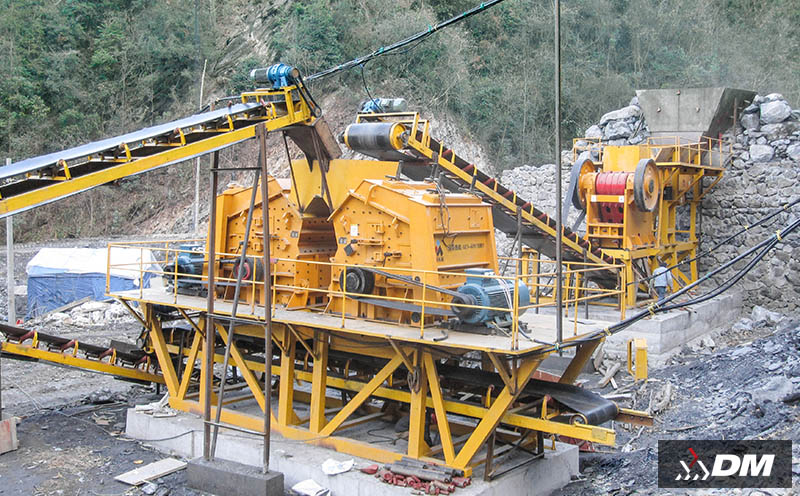
As urbanization accelerates and cities renew their built environment, construction and demolition (C&D) waste has become one of the world's largest waste streams by volume. Forward-thinking waste management companies, municipal authorities, and recycling operators are building large-scale, permanent C&D recycling facilities to process hundreds of thousands of tons of material per year, turning demolished concrete, brick, wood, metal, and mixed debris into marketable recycled products. At the heart of every large stationary C&D recycling plant sits the size reduction stage, and for concrete and masonry fraction processing, the fixed impact crusher is the preferred technology. Unlike mobile impactors designed for job-site use, a stationary impact crusher in a recycling plant is a heavy-duty, high-throughput machine integrated into a complete material handling system with conveyors, pre-screens, air classifiers, magnetic separators, and fines removal. When properly specified and installed, a fixed impact crusher delivers the consistent throughput, cubical product shape, and reliable performance that a high-capacity stationary recycling facility depends on.
The Requirements of Large-Scale Stationary C&D Recycling
A permanent C&D recycling plant is a very different operation from a mobile job-site crusher. First, throughput is much higher. A major municipal recycling facility may process 300,000 to 1 million tons per year, running one or two shifts per day. The fixed impact crusher must be sized for this continuous high-volume duty. Second, feed material is highly variable and contaminated. C&D waste arrives on tipping floors mixed with wood, plastic, paper, metal, gypsum, and other contaminants. The impact crusher must handle this mixed feed without damage while still producing a quality product. Third, product quality must be consistent and marketable. Recycled concrete aggregate (RCA) from a stationary plant must meet gradation and cleanliness specifications to be accepted by concrete plants, road departments, and other high-volume buyers. Fourth, uptime is critical. A large recycling plant has high fixed costs—labor, facility overhead, tipping fees foregone when the plant is down—and every hour of lost production is expensive. Fifth, the crusher must integrate with a complex material handling system including feed conveyors, discharge conveyors, screening decks, air classification systems, and magnetic separation. The fixed impact crusher is one component in a long processing line, and it must work seamlessly with everything else.
How a Fixed Impact Crusher Performs in Stationary Recycling Duty
Heavy-Duty Rotor and Chamber Design for Continuous Duty
A recycling-grade fixed impact crusher is built for continuous, high-volume operation. The rotor is heavy, solid, and dynamically balanced for smooth running at operating speed. Blow bars are heavy-duty high-chrome or martensitic steel castings sized for the abrasive wear of recycled concrete and masonry. The crushing chamber—with two or three impact aprons—is larger and more robust than comparable aggregate-duty machines, designed to handle occasional tramp metal and larger feed pieces without catastrophic damage. The housing is heavily reinforced with wear liners in high-impact zones. This heavy-duty construction is necessary for the demanding duty cycle of a full-time C&D recycling plant.
High Reduction Ratio and Single-Pass Capability
The fixed impact crusher achieves a very high reduction ratio, often 25:1 or more in a single pass. For C&D recycling, this means feed material up to 600–800 mm can be reduced to a finished 0–50 mm or 0–63 mm product in one stage. Eliminating a primary crushing stage simplifies the plant flow sheet, reduces capital cost, and lowers operating expense. For mixed C&D feed, the high impact energy also helps liberate different material types—separating concrete from wood, breaking apart composite materials, and exposing embedded metal for downstream magnetic separation.
Cubical Product Shape for Premium Recycled Aggregate
Impact crushing produces cubical, well-shaped particles with fresh fracture faces, and this is just as true for recycled material as for natural rock. A fixed impact crusher processing concrete rubble produces a recycled aggregate with good particle shape and clean surfaces—characteristics that make the product more valuable and more acceptable to specifiers. Higher-quality RCA commands a better price, can be used in more applications (including some concrete and asphalt uses), and improves the overall economics of the recycling plant.
Easy Access for Maintenance and Wear Part Replacement
Stationary recycling plants are designed for maintainability, and the fixed impact crusher is no exception. Most modern stationary impactors feature hydraulic opening of the rear housing or top cover, giving maintenance crews full access to the rotor, blow bars, and aprons. Blow bar changes on a well-designed machine can be completed in a few hours by an experienced crew. This ease of maintenance is essential for high-throughput plants where downtime is costly and scheduled maintenance windows are tightly controlled.
Stationary Recycling Plant Application Scenarios
Municipal C&D Recycling Facilities
Many cities and regional waste authorities operate permanent C&D recycling facilities to divert construction waste from landfills. These plants receive tipped material from haul trucks, process it through a sorting line with picking stations, and crush the concrete and masonry fraction in a fixed impact crusher. The resulting RCA is sold as road base, fill material, or feed for further processing. The stationary impactor is sized for the plant's design throughput—typically 100 to 300 tons per hour for the crushing stage.
Large Demolition Contractor Recycling Yards
Major demolition companies often operate their own permanent recycling yards where they process debris from their demolition projects. A fixed impact crusher is the centerpiece of the concrete and masonry processing line. Crushing their own debris allows the contractor to avoid landfill tipping fees and generate revenue from saleable recycled aggregate, improving the overall economics of their demolition business. Because they control the feed source, they can often produce a cleaner, more consistent product than a mixed municipal facility.
Concrete Products Recycling Operations
Ready-mix concrete plants and precast concrete facilities generate waste concrete—returned fresh concrete that is hardened, rejected batches, and old product that is crushed and reused. A fixed impact crusher at the concrete plant processes this waste concrete back into a reusable aggregate that can be incorporated back into new concrete at controlled replacement rates. This closed-loop recycling reduces waste disposal costs and supports sustainability goals.
Mixed Construction Waste Processing Plants
Some large recycling facilities accept all types of construction waste and sort and process multiple streams. In these plants, the fixed impact crusher handles the concrete, brick, and block fraction after it has been separated from wood, metal, plastic, and gypsum by upstream sorting equipment. The impact crusher's ability to handle mixed masonry feed—concrete, red brick, calcium silicate brick, block—makes it well suited for these multi-material recycling operations.
Asphalt Shingle and RAP Recycling Facilities
While primary RAP processing is often done with mobile equipment, large permanent asphalt recycling facilities may use a fixed impact crusher for sizing reclaimed asphalt pavement and asphalt shingles. The impact action gently resizes the material without excessive breakdown of the asphalt binder, preserving some of its value for reuse in new asphalt mixes. These plants are often located at asphalt production facilities for integration with the batch plant.
Customer Benefits for Stationary Recycling Operators
High Throughput and Consistent Production
A properly sized fixed impact crusher delivers the continuous high throughput that large recycling plants need. Unlike mobile machines designed for intermittent use, a stationary impactor is built for all-day, every-day operation. This consistent production capacity allows the plant to reliably process incoming waste volumes and meet supply commitments to aggregate buyers.
Quality Recycled Products with Market Value
The cubical particle shape and clean fracture surfaces produced by a fixed impact crusher result in higher-quality recycled aggregate that is more marketable and more valuable. Better product quality opens up higher-end applications, commands better prices, and reduces the amount of material that must be downcycled to low-value fill. For recycling plants where product revenue is a significant portion of total income, this quality advantage directly improves the bottom line.
Low Operating Cost per Ton
At high annual throughputs, the operating cost per ton of a fixed impact crusher is very competitive. The heavy-duty construction means long service life for major components, and wear parts—blow bars, aprons, liner plates—are standardized and competitively priced. When spread across hundreds of thousands of tons per year, the per-ton wear cost of a stationary impactor is often lower than alternative crushing technologies for C&D material.
Integration with Complete Plant Systems
A fixed impact crusher integrates cleanly into a stationary recycling plant's material handling and control systems. Feed and discharge conveyors are permanently installed and aligned. Electrical power is grid-supplied and reliable. The crusher's control system connects to the plant's PLC or SCADA system, allowing centralized monitoring and control of the entire processing line. This integration improves overall plant efficiency and reduces labor requirements.
Long Service Life and Asset Retention
A heavy-duty fixed impact crusher in a stationary recycling plant has a long service life—typically 15 to 25 years or more with proper maintenance and rebuilds. The machine retains its value as a core plant asset throughout that period. For recycling businesses planning to operate for the long term, this durability makes the stationary impactor a sound capital investment.
Selection Logic for Stationary Recycling Plants
Selecting a fixed impact crusher for a C&D recycling plant requires careful analysis of several factors. Design throughput is the primary driver—the crusher must handle the plant's peak incoming feed rate without surcharging. Feed size range depends on the upstream sorting and pre-crushing (if any); some plants feed large demolition chunks directly to the impactor, others use a pre-crusher first. Material composition matters—high concrete content is ideal, while high metal content or highly abrasive brick increases wear. Product size requirements determine the number of aprons and gap settings. Operators should also evaluate rotor type—horizontal shaft impactors are standard, but some applications may benefit from vertical shaft impactors for further shaping. Blow bar material options, hydraulic opening systems, and dust collection interface requirements are additional considerations. Finally, the crusher must physically fit into the plant layout with adequate space around it for maintenance and wear part replacement.
Operation and Maintenance Best Practices
Feed Consistency and Pre-Sorting
A fixed impact crusher performs best with consistent feed. Upstream sorting equipment should remove as much non-crushable material—large metal pieces, wood chunks, plastic—as possible before the material reaches the impactor. The feed rate should be steady and controlled by the upstream conveyor speed. Sudden surges of material can overload the crusher, causing increased wear, reduced product quality, and potential damage.
Blow Bar Management and Rotation Schedule
Blow bars are the highest-wear component in any impact crusher, and managing them properly is essential for both cost control and product quality. Operators should track tonnage processed and inspect blow bar wear regularly. Most blow bar designs can be flipped or rotated to use multiple wear edges, extending service life. When bars reach the end of their wear life, replacement should be done during scheduled downtime with proper safety procedures—rotor locking, heavy lifting equipment, and trained personnel.
Apron Gap Adjustment and Wear Monitoring
The impact aprons and their gap settings determine the product size distribution. Gaps should be checked and adjusted regularly as blow bars wear down to maintain consistent product gradation. Apron liners themselves wear and should be inspected on the same schedule as blow bars. Modern fixed impact crusher units with hydraulic apron adjustment make this process faster and more precise.
Rotor and Bearing Maintenance
The rotor assembly is the heart of the fixed impact crusher. Regular vibration monitoring on the main bearings detects developing problems early. Bearing lubrication must follow the manufacturer's schedule precisely—high-speed impact crusher bearings are sensitive to both under-lubrication and over-lubrication. The rotor itself should be inspected periodically for wear, cracks, or balance issues. If blow bars wear unevenly or break, the rotor can go out of balance, causing accelerated bearing wear and potential structural damage.
Dust Collection and Environmental Control
Stationary recycling plants operate under environmental permits that limit dust emissions. The fixed impact crusher generates significant dust, and the plant's dust collection system must be properly sized and maintained. Duct connections to the crusher housing should be inspected for leaks, and baghouse filters should be changed on schedule. Good dust control protects both the environment and the health of plant workers.
Conclusion
The fixed impact crusher is the workhorse at the center of every large stationary C&D waste recycling facility. It takes the mixed, variable concrete and masonry stream from the sorting line and transforms it into a consistent, cubical, marketable recycled aggregate product. For municipal recycling authorities, waste management companies, and demolition operators building permanent high-capacity recycling facilities, selecting the right stationary impact crusher is one of the most important equipment decisions they will make. When properly sized for the plant's throughput, matched to the feed material characteristics, and maintained with disciplined attention to blow bars, aprons, and bearings, a heavy-duty fixed impact crusher delivers years of reliable, high-volume production. It is the machine that turns incoming demolition waste—once a costly disposal problem—into a valuable recycled product, supporting both the economic viability and the environmental mission of the modern C&D recycling industry. As landfill space becomes scarcer and circular economy regulations strengthen, stationary recycling plants equipped with high-performance impact crushers will only grow in importance.
Get In Touch With Us