 English
 简体中文
简体中文
 عربي
عربي
 Русский
 Français
 Español
Tracked Mobile Screening Machines for Mine Site Topsoil Reclamation
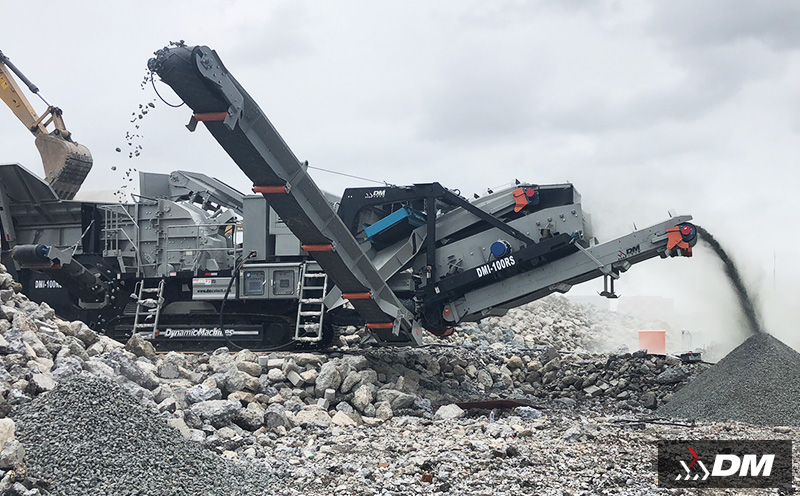
Mining operations, large construction projects, and infrastructure developments all disturb the land—and increasingly, regulations require that the land be restored when the work is done. Topsoil stripping, preservation, and replacement is a critical part of modern land reclamation practice. The top few centimeters of soil contain the organic matter, seeds, microorganisms, and nutrients that support vegetation growth and ecosystem recovery. Stripping this topsoil separately before excavation, stockpiling it carefully during the project, and spreading it back during reclamation gives the restored land the best chance to re-establish healthy vegetation. A tracked mobile screening machine is an essential tool in this process, allowing site operators to separate topsoil from subsoil, remove rocks and debris, and produce graded soil products suitable for different reclamation uses. Unlike a fixed screening machine that requires a permanent installation, a mobile screen can move around the site as work progresses, stripping and screening topsoil in each area before the main excavation begins. For mining companies, civil contractors, and environmental restoration firms, the tracked mobile screen is both a regulatory compliance tool and a practical way to improve reclamation outcomes.
The Challenges of Topsoil Handling and Reclamation
Topsoil management is more complex than it first appears, and doing it poorly leads to failed reclamation and regulatory non-compliance. First, topsoil is a thin, valuable layer that must be carefully separated from underlying subsoil and overburden. If the two are mixed during stripping, the resulting material is less fertile and harder to re-vegetate. Second, topsoil contains rocks, roots, and debris that must be removed before the soil can be respread for effective revegetation. Large rocks on the surface interfere with seeding and impede plant growth. Third, topsoil is easily degraded by improper handling. Stockpiling it too deep, leaving it for too long, or mixing it with subsoil kills beneficial organisms and reduces fertility. Fourth, reclamation projects cover large areas, and the screening equipment must be able to move from location to location as work progresses. Fifth, different reclamation applications require different soil gradations—topsoil for final seeding is finer and cleaner than soil used for intermediate fill or erosion control layers.
How a Tracked Mobile Screening Machine Improves Topsoil Reclamation
On-Site Soil Separation and Grading
A tracked mobile screening machine processes stripped topsoil directly on site, separating it into multiple fractions based on size. A typical two-deck or three-deck mobile screen can produce a fine topsoil fraction (0–20 mm) suitable for final seeding, a mid-size fraction with small rock for intermediate cover, and an oversize fraction of rocks and debris that can be used for riprap or waste. This on-site classification eliminates the need to haul soil off site for processing and haul clean topsoil back in.
Full Mobility Across the Project Site
Reclamation work moves across a site in phases. In a mining operation, topsoil is stripped sequentially as the pit expands, and later replaced as mined-out areas are backfilled and reclaimed. A tracked mobile screening machine can move with the work, setting up near each new stripping zone to process topsoil close to where it is removed. This reduces hauling distance within the site, lowers fuel and equipment cost, and minimizes the distance soil is transported—which also helps preserve soil structure and biology.
Self-Contained Operation Without Infrastructure
Mine sites and construction projects rarely have permanent infrastructure in reclamation areas. A tracked mobile screening machine is completely self-contained with its own diesel engine, hydraulic system, feed hopper, and discharge conveyors. It needs no external power, no fixed foundation, and no permanent conveyor connections. The machine simply drives to the work area, unfolds, and starts screening. This self-sufficiency is essential for remote mine sites and greenfield construction projects where utilities are not yet available.
Debris and Rock Removal for Better Reclamation Quality
Raw stripped topsoil often contains rocks, roots, wood fragments, and construction debris. Passing this material through a tracked mobile screening machine removes the oversize contaminants, producing a clean, uniform topsoil that spreads evenly and provides a better seedbed. Cleaner topsoil leads to better germination rates, more uniform vegetation establishment, and more successful long-term reclamation. For mining companies with reclamation bonding requirements, better reclamation outcomes mean faster bond release and lower long-term liability.
Key Reclamation and Earthworks Applications
Open-Pit Mine Topsoil Stripping and Reclamation
Open-pit mining is the largest-scale application for topsoil reclamation screening. Before mining begins in a new area, the topsoil layer—typically 10 to 30 centimeters—is carefully stripped with scrapers or excavators. This raw topsoil is fed through a tracked mobile screening machine to remove rock and debris, and the screened topsoil is stockpiled separately for later use in reclamation. When mining in an area is complete and backfilling is done, the stored screened topsoil is spread across the final landform and seeded. The screening step ensures that the replaced topsoil is rock-free and suitable for vegetation establishment.
Mine Waste Dump and Tailings Facility Re-vegetation
Waste rock dumps and tailings storage facilities require soil cover for re-vegetation and erosion control. A tracked mobile screening machine processes available topsoil or subsoil material to produce the specified cover soil gradation. For final cover systems, a fine screened topsoil provides the growth medium. For intermediate erosion control layers, a coarser screened soil with some rock content may be specified. The mobile screen can produce multiple required soil types on site from available material.
Highway and Pipeline Right-of-Way Restoration
Linear construction projects—highways, pipelines, transmission lines—disturb long strips of land. Topsoil is stripped from the right-of-way before construction and stockpiled along the corridor. After construction, the topsoil is replaced and the area is reseeded. A tracked mobile screening machine moves along the right-of-way, processing the stripped topsoil to remove rocks and construction debris before it is spread back. This improves the quality of the restored soil and helps the vegetation re-establish more quickly, reducing erosion risk and improving the visual appearance of the restored corridor.
Landfill Capping and Closure
When a municipal landfill reaches capacity, it must be capped with a final cover system that includes a vegetation layer. A tracked mobile screening machine processes imported or on-site soil to produce the specified topsoil material for the final vegetative cover layer. The screen removes rocks, debris, and oversized material that would interfere with the cap's performance or vegetation establishment. Because the machine can move around the landfill surface as capping progresses, it is well suited to phased closure operations.
Brownfield and Contaminated Site Remediation
Brownfield redevelopment and contaminated site remediation often involve soil excavation, treatment, and replacement. A tracked mobile screening machine can be used to size and separate soil during remediation—removing oversized debris, separating soil fractions for different treatment processes, or preparing clean soil for backfill after treatment. The mobility of the machine is an advantage on remediation sites where work zones shift as different areas are addressed.
Urban Park and Green Space Construction
When building new urban parks, sports fields, and green spaces on former industrial or brownfield sites, imported topsoil must often be screened to remove debris and provide a uniform growth medium. A compact tracked mobile screening machine works within the constraints of an urban construction site, processing topsoil on location for direct use in landscaping and turf establishment.
Customer Benefits and Environmental Value
Improved Reclamation Success and Vegetation Establishment
The most important benefit of screening topsoil with a tracked mobile screening machine is better reclamation outcomes. Clean, rock-free, uniformly graded topsoil provides a better seedbed, higher germination rates, and more uniform vegetation cover. For mining companies, this means faster achievement of reclamation performance standards, earlier bond release, and reduced long-term reclamation liability.
Regulatory Compliance and Reporting
Mining and environmental regulations increasingly specify topsoil handling requirements—depth of stripping, separate storage, and quality standards for replacement soil. Using a tracked mobile screening machine to produce specified soil gradations demonstrates compliance with these requirements. Tonnage records from the screening operation also provide documentation for regulatory reporting and reclamation cost accounting.
Cost Savings from On-Site Processing
Processing topsoil on site with a mobile screen is significantly less expensive than hauling raw soil to an off-site screening facility and hauling clean topsoil back. For large mine sites and major infrastructure projects, these haulage savings can be substantial. On-site screening also eliminates the cost of purchasing imported topsoil when suitable on-site soil can be processed to meet requirements.
Reduced Soil Degradation from Minimal Handling
Every time soil is hauled, dumped, and re-handled, its structure and biological health degrade. Processing topsoil on site with a tracked mobile screening machine minimizes the number of times the soil is moved and the distance it travels, helping preserve soil organic matter, microbial activity, and structure. Better-preserved soil supports better vegetation growth after reclamation.
Flexibility Across Project Phases
A tracked mobile screening machine serves multiple purposes across the lifecycle of a project. During the construction or mining phase, it screens topsoil for stockpiling. During reclamation or restoration, it screens soil for final placement. Between these phases, it can be redeployed to screen aggregate, process construction debris, or handle other site screening tasks. This multi-use flexibility maximizes utilization of the equipment across the entire project.
Selection Considerations for Reclamation Use
Choosing the right tracked mobile screening machine for topsoil reclamation depends on the project scale, soil type, and required products. Screen size and deck count determine throughput and the number of fractions produced. A two-deck machine produces two sized fractions plus oversize; a three-deck machine produces three fractions. Topsoil reclamation typically needs two or three products, so either can work depending on the specification. Feed hopper capacity should match the loading equipment—excavator or wheel loader—that will feed the screen. The type of screen media matters for soil applications; woven wire cloth is standard, but poly panels or perforated plate may be preferred for sticky or high-clay soils that tend to blind. Machine size and transport weight affect mobility between sites and access within the project area. For remote mine sites, engine reliability, fuel consumption, and service support availability are important considerations. Additional options like grid top decks for scalping large rocks, water spray for dust control on dry sites, and variable speed feeders add versatility.
Operation and Maintenance for Soil Screening Duty
Screen Media Selection and Blinding Prevention
Topsoil—especially wet, clayey topsoil—can cause screen blinding, where fine soil particles stick to the screen cloth and plug the apertures. Operators should select the appropriate screen media type for the soil conditions. For sticky soils, larger-aperture top decks with ball-tray cleaners can help keep the screen open. Adjusting the screen angle or amplitude may also improve screening of difficult soils. Regularly checking the screen for blinding and cleaning it when necessary maintains production rate and product quality.
Feed Rate and Loading Technique
A tracked mobile screening machine processes topsoil most efficiently with a consistent feed rate. The loader or excavator operator should feed the hopper steadily rather than dumping large loads intermittently. Overloading the screen causes carryover of fines into the oversize fraction and reduces screening efficiency. Maintaining a consistent material bed depth across the screen deck gives the best separation.
Conveyor and Undercarriage Care in Dirty Conditions
Soil screening is dirty work, and fine dust and mud get into everything. Conveyor rollers, pulleys, and belts should be cleaned regularly to prevent buildup that causes mistracking and premature wear. The track undercarriage also accumulates mud and soil, which accelerates wear on rollers, idlers, and track pads. Daily cleaning of the undercarriage—especially after working in wet clay—extends component life significantly.
Engine and Air Filter Maintenance
Dusty soil conditions mean engine air filters clog quickly. Daily inspection of the air filter restriction indicator is essential, and filters should be changed or cleaned according to the manufacturer's schedule. The engine cooling system also needs regular attention, as dust buildup on the radiator reduces cooling efficiency and can lead to overheating. Good engine maintenance is especially important on remote reclamation sites where breakdowns are costly and service technicians are far away.
Stockpile Management and Soil Preservation
How the screened topsoil is stockpiled affects its long-term quality. Operators should build stockpiles in designated areas on compacted subsoil to prevent mixing with the underlying ground. Stockpile height should be limited to avoid excessive compaction that degrades soil structure and biology. For long-term storage, stockpiles should be seeded with a temporary cover crop to prevent erosion and maintain some biological activity. The tracked mobile screening machine's discharge conveyors should be positioned to build stockpiles correctly from the start.
Conclusion
Topsoil reclamation is a critical—and often underappreciated—part of responsible mining, construction, and land management. The quality of the topsoil used in reclamation directly affects the success of vegetation establishment, the stability of the restored land, and the speed at which the site returns to productivity. A tracked mobile screening machine is a practical, cost-effective tool that improves the quality of reclamation soil by removing rocks and debris, grading the soil to specification, and enabling on-site processing that minimizes soil handling and degradation. For mining companies working toward reclamation bond release, highway contractors restoring rights-of-way, and environmental firms remediating brownfield sites, the mobile screen is both an operational necessity and an investment in better environmental outcomes. When selected with the right capacity and features for soil handling, and operated with attention to screen media condition and stockpile management, a tracked mobile screening machine helps ensure that when the project is over and the equipment leaves, the land is left in the best possible condition—productive, stable, and well-vegetated for the future.
Get In Touch With Us