 English
 简体中文
简体中文
 عربي
عربي
 Русский
 Français
 Español
DongMeng:What is a crusher machine used for?
A crusher machine is an indispensable piece of industrial machinery that serves as the cornerstone of material processing across the global supply chain. Far beyond simple size reduction, its primary function is to transform oversized, unmanageable raw materials—ranging from natural rock and ore to construction debris and industrial waste—into precisely graded, usable feedstock. This transformation is critical for enabling efficient downstream operations, sustainable resource recovery, and the production of high-quality end products in construction, manufacturing, and environmental management.
I. The Fundamental Roles of Crusher Machines
-
1. Optimizing Logistics and Reducing Operational Costs
Large, irregularly shaped materials are logistically inefficient and costly to transport. By reducing material size, crusher machines drastically cut the volume and weight of loads, allowing for more economical and frequent shipments. This not only lowers fuel and labor expenses but also minimizes the risk of accidents and equipment damage associated with handling oversized materials during transit.
-
2. Preparing Material for Precision Manufacturing
Modern industrial processes demand strict control over particle size. Crusher machines deliver the necessary consistency:
- In mining, they reduce run-of-mine ore to a grindable size for efficient mineral extraction.
- In infrastructure, they produce graded aggregates that form the structural backbone of concrete, asphalt, and road bases.
- In recycling, they liberate valuable components from complex waste streams, preparing them for purification and reintroduction into the manufacturing cycle.
-
3. Driving the Circular Economy
Crusher machines are pivotal in closing the resource loop. By processing construction, demolition, and industrial waste, they convert what was once destined for landfills into secondary raw materials. This process conserves finite natural resources, reduces carbon emissions associated with virgin material extraction, and creates a sustainable, cost-effective alternative to traditional raw material supplies.
II. Key Industrial Sectors and Applications
The versatility of crusher machines allows them to be deployed in diverse and demanding environments:
- Aggregate & Construction: Producing sand, gravel, and stone for buildings, roads, and bridges.
- Mining & Quarrying: Primary and secondary reduction of hard rock ores (iron, copper, limestone) and minerals.
- Recycling & Waste Management: Processing C&D waste, asphalt, and concrete to produce high-grade recycled aggregates.
- Metallurgy: Crushing ferrous and non-ferrous scrap for efficient melting and recasting.
- Chemical & Industrial: Reducing raw minerals and chemicals for processing into fertilizers, pigments, and industrial powders.
III. Conclusion
Crusher machines are far more than just size-reduction tools; they are strategic assets that drive efficiency, sustainability, and profitability. By converting raw or waste materials into valuable, process-ready feedstock, they enable the core operations of countless industries. As technology advances, modern crushers—offering higher efficiency, intelligent automation, and eco-friendly operation—continue to redefine the standards of material processing, solidifying their role as essential equipment for a resource-efficient future.
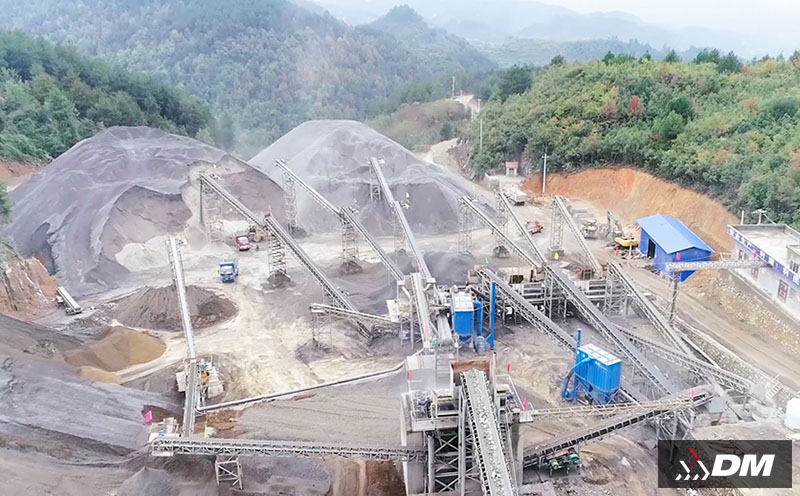
From Waste to Resource: The Complete Guide to General Solid Waste Processing
The management of general solid waste (GSW), particularly construction and demolition (C&D) waste, represents one of the most significant environmental and logistical challenges of urban development. Characterized by its high volume and heterogeneous composition—including concrete, brick, wood, plastics, and metals—GSW demands a sophisticated, engineered approach to unlock its full potential. A truly effective GSW management strategy goes beyond simple disposal; it integrates advanced crushing, sorting, and processing technologies to achieve maximum resource recovery, minimal environmental impact, and long-term economic viability.
I. The Strategic Imperative: Principles of Modern GSW Management
Effective GSW management is built on three non-negotiable pillars, designed to address the complexity of materials like renovation debris:
- Maximized Recovery (Resourcefulness): The primary goal is to extract the maximum quantity of high-quality recyclables, diverting waste from landfills and creating a circular supply chain.
- Operational Efficiency (Reduction): Employing mechanical processes like crushing and screening to drastically reduce the volume and weight of waste, optimizing transportation and storage.
- Environmental Stewardship (Harmlessness):Ensuring all processes meet strict emissions standards, safely isolating hazardous components, and preventing soil, water, and air contamination.
II. The Engineered Workflow: A Step-by-Step GSW Processing System
-
1. Strategic Reception & Presorting
The process begins with controlled intake. Upon arrival at the processing facility, incoming waste is inspected, and bulk items are reduced. A primary presorting stage removes oversize contaminants and hazardous materials, protecting downstream equipment and ensuring the purity of the final recycled products.
-
2. Integrated Crushing & Intelligent Separation
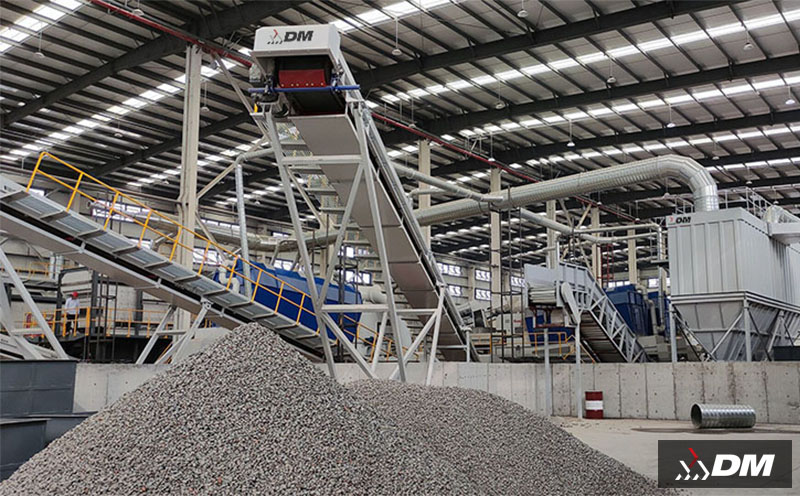
At the heart of the system lies a robust processing line, exemplified by Shanghai Dongmeng's integrated solutions. This stage combines powerful crushing with multi-layered separation technologies:
- Primary & Secondary Crushing: Reducing inert materials like concrete and brick to a uniform, manageable size.
- Automated Screening: Classifying material into precise fractions (e.g., 0-5mm, 5-20mm, 20-31.5mm).
- Density & Air Separation: Efficiently removing light contaminants (plastics, paper, wood) from the heavy aggregate fraction.
- Metal Recovery: Using magnetic and eddy current separators to extract ferrous and non-ferrous metals with high purity.
-
3. High-Value End-Product Utilization
The output is a portfolio of market-ready, recycled materials:
- Recycled Concrete Aggregate (RCA): Clean, graded aggregate for use in new concrete, road base, and drainage layers.
- Recovered Metals: Purity-assured steel, aluminum, and copper for direct sale to foundries.
- Secondary Resources: Clean wood for biomass fuel, purified plastics for re-granulation, and soil/ fines for site remediation and land reclamation.
III. Key Advantages of an Advanced Processing Solution
- Superior Material Purity: Multi-stage separation ensures recycled products meet or exceed industry standards for quality and consistency.
- Cost Competitiveness: Converting a waste liability into a revenue stream, significantly reducing disposal and raw material costs.
- Sustainability & Compliance: Fully compliant with global environmental regulations, drastically reducing landfill dependency and carbon footprint.
- Operational Resilience: Robust, automated systems designed for high uptime, easy maintenance, and reliable performance in heavy-duty conditions.
IV. The Economic & Environmental Impact
Implementing a comprehensive GSW processing solution delivers a dual return on investment. Environmentally, it conserves natural resources, reduces greenhouse gas emissions, and protects ecosystems from landfill pollution. Economically, it creates local jobs, generates revenue from the sale of high-quality recycled materials, and helps businesses and municipalities achieve their ESG (Environmental, Social, and Governance) targets. It is a model that turns the challenge of waste into an opportunity for sustainable growth.
V. Summary
The journey from general solid waste to a valuable resource is made possible by advanced crusher machine technology and integrated processing systems. By focusing on high recovery rates, operational efficiency, and environmental compliance, these solutions transform urban waste into a reliable, sustainable raw material source. This is not just waste management; it is resource re-engineering, essential for building resilient, low-carbon cities and a truly sustainable global economy.
Get In Touch With Us