 English
 简体中文
简体中文
 عربي
عربي
 Русский
 Français
 Español
What is Construction Waste? & How to Dispose of It?
What is Construction Waste?
Construction waste refers to solid waste generated during the new construction, reconstruction, expansion, demolition, and renovation of buildings. It is an important component of urban solid waste. Unlike domestic waste or industrial waste, construction waste has clear sources, relatively concentrated components, and certain recycling and reuse value.
I. Main Categories of Construction Waste
- Demolition Waste: Waste generated from the demolition of buildings and structures, such as waste concrete, waste bricks, waste tiles, waste steel, waste wood, etc.
- Construction Waste: Waste generated during the construction of new, reconstructed, or expanded projects, such as concrete fragments, mortar residues, waste formwork, waste pipes, etc.
- Renovation Waste: Waste generated during the daily maintenance and renovation of buildings, such as old doors and windows, waste ceramic tiles, waste paint layers, waste pipelines, etc.
II. Main Characteristics of Construction Waste
1. Large Output: With the acceleration of urbanization and the expansion of the construction industry, the output of construction waste has been increasing year by year, accounting for a high proportion of the total urban waste.
2. Complex Composition: It includes inorganic materials (concrete, bricks and tiles, stone, etc.) and organic materials (wood, plastic, rubber, etc.), and some also contain a small amount of harmful impurities (such as waste paint, waste waterproof materials).
3. High Recyclability: Waste steel bars, waste steel, waste concrete, waste bricks and tiles, etc., can be recycled and reused through sorting and processing.
III. Hazards and Significance of Construction Waste Disposal
Random stacking or landfilling of construction waste not only occupies a large amount of land resources but also may cause soil and water pollution, and even trigger environmental and safety problems such as dust and landslides. Scientific disposal and resource utilization of construction waste can not only reduce resource waste and the extraction of natural building materials but also reduce the pressure on urban waste disposal, which is in line with the concept of green development and circular economy.
IV. Common Disposal Methods of Construction Waste
- Classified Collection: Sort different types of construction waste at construction sites or demolition sites to facilitate subsequent disposal.
- Recycling and Reuse: Process waste concrete and waste bricks into recycled aggregates for road subgrade, brick making, etc.; recycle waste steel and waste aluminum for re-smelting.
- Harmless Disposal: Conduct standardized landfilling of non-recyclable construction waste to avoid secondary pollution to the environment.
In summary, construction waste is not merely "waste" but a recyclable resource. Doing a good job in the classification, disposal, and resource utilization of construction waste is an important measure to promote the green development of the construction industry and build ecological cities.
How to Dispose of Construction Waste?
As an important component of urban solid waste, the scientific disposal of construction waste is crucial for realizing resource recycling and protecting the ecological environment. Different from the random disposal of domestic waste, the disposal of construction waste must follow the core principles of "classification, recycling, utilization, and harmlessness" to form a complete system from source control to end-of-pipe disposal.
I. Core Principles of Construction Waste Disposal
1. Reduction: Reduce the generation of construction waste at the source. For example, optimize material usage plans and improve construction accuracy during the construction phase to avoid excessive cutting and waste of building materials; adopt refined demolition methods during the demolition phase to reduce unnecessary crushing and waste generation.
2. Resource Utilization: Maximize the recycling of usable components in construction waste, convert waste into renewable resources, and reduce dependence on natural building materials.
3. Harmlessness: Adopt standardized disposal methods for non-recyclable construction waste to avoid pollution to soil, water, and atmosphere.
II. Specific Disposal Process of Construction Waste
- Source Classification and Collection: Set up classified collection points at construction or demolition sites to separate different types of construction waste such as waste concrete, waste steel, waste bricks and tiles, and waste wood, avoiding mixed pollution and laying a foundation for subsequent disposal.
- Preliminary On-site Treatment: Simply crush and sort large-volume construction waste (such as waste concrete blocks, waste walls) to remove impurities (such as waste paint, waste plastic film) for easy transportation and subsequent processing.
- Centralized Transportation and Disposal: Transport the classified construction waste to professional construction waste treatment plants instead of ordinary landfills to ensure professional disposal.
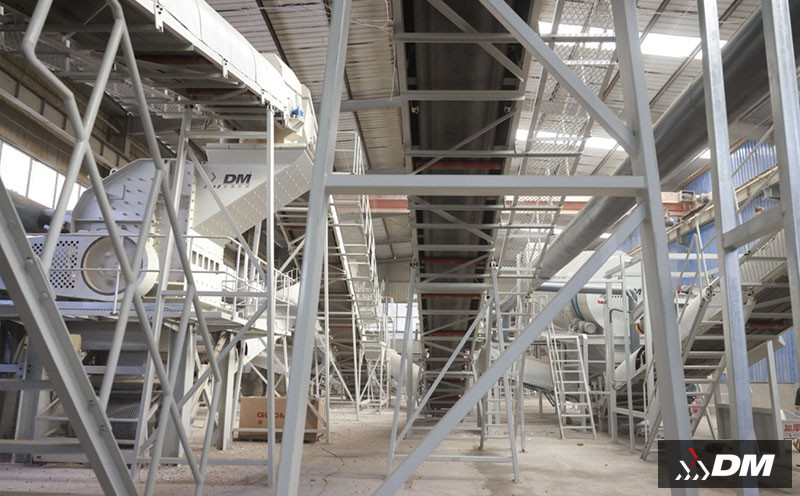
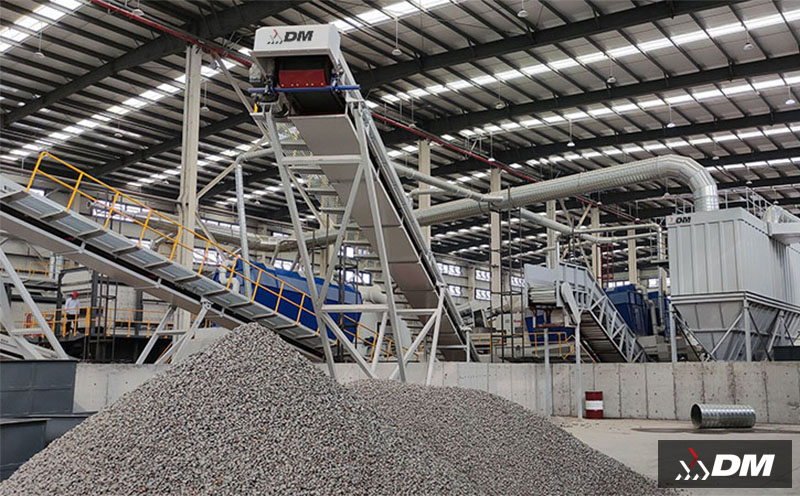
- Resource Processing and Utilization: Conduct refined sorting, crushing, screening, and cleaning of construction waste in treatment plants to process it into recycled aggregates, recycled bricks, recycled mortar, and other products, which can be used in road subgrade, municipal engineering, small building component production, and other scenarios; metal construction waste such as waste steel and waste aluminum is recycled to smelters for reprocessing.
- End-of-pipe Harmless Disposal: Transport a small amount of non-recyclable construction waste (such as waste containing harmful impurities) after sorting to designated harmless landfills for standardized landfilling, with proper anti-seepage and dust prevention measures.
III. Targeted Disposal Methods for Different Types of Construction Waste
- Waste Concrete/Waste Bricks and Tiles: After crushing and screening, they are made into recycled aggregates, which can replace natural sand and gravel for road base, concrete cushion, and can also be pressed into recycled bricks, permeable bricks, and other building materials.
- Waste Steel/Waste Metals: After sorting, they are directly recycled to metal processing plants and reprocessed into steel, aluminum, and other products through smelting and rolling, with a recycling rate of over 90%.
- Waste Wood: After removing decayed and contaminated parts, it can be processed into wood squares and plates for reuse; those that cannot be directly used are crushed into biomass fuel or raw materials for artificial boards.
- Waste Paint/Waste Waterproof Materials: They belong to the category of hazardous waste and need to be collected separately and handed over to qualified hazardous waste treatment enterprises for harmless disposal. Mixing them with ordinary construction waste is strictly prohibited.
IV. Industry Norms and Policy Requirements for Construction Waste Disposal
At present, China has issued a number of policies to regulate the disposal of construction waste, requiring construction units to formulate construction waste disposal plans, clarify specific measures for classification, transportation, and utilization; cities need to build standardized construction waste treatment plants and prohibit random dumping and landfilling of construction waste. At the same time, many places have introduced incentive policies to encourage enterprises to develop recycled building materials technology and improve the resource utilization rate of construction waste.
V. Development Trends of Construction Waste Disposal
In the future, the disposal of construction waste will develop in the direction of "on-site disposal and closed-loop utilization". For example, set up small crushing and processing equipment at construction sites to directly process construction waste into recycled aggregates for reuse, reducing transportation costs; at the same time, digital management methods will be widely applied, realizing the whole-process traceability of construction waste from generation to disposal through the Internet of Things and big data, and further improving disposal efficiency and environmental protection level.
In short, the disposal of construction waste is not a simple "discard" but a systematic resource recycling plan. Only through the combination of source control, classified disposal, and resource utilization can we truly realize the "turning waste into treasure" of construction waste and promote the green and low-carbon development of the construction industry.
Get In Touch With Us