 English
 简体中文
简体中文
 عربي
عربي
 Русский
 Français
 Español
What is a crusher plant?
A crusher plant, alternatively known as a crushing and screening plant or integrated material reduction system, is a purpose-built industrial setup that combines specialized crushing equipment, precision screening tools, heavy-duty conveying systems, and essential auxiliary components. Its core mission is to process a wide range of raw materials—such as ores, construction and demolition waste, limestone, and granite—through a structured sequence of size-reduction stages (primary, secondary, and tertiary crushing) followed by rigorous screening and classification. The outcome is a consistent supply of finished materials that adhere to strict industry-specific specifications. Crusher plants stand as a linchpin in sectors including mining, aggregate production, construction waste recycling, metallurgy, and the manufacturing of building materials.
1. Key Components That Power a Crusher Plant
A fully operational crusher plant is far from a haphazard collection of machines; it is a customized system engineered to align with material characteristics, finished product standards, and production volume needs. The following core components work in tandem to drive its functionality:
1.1 Feeding Systems
As the initial entry point for raw materials, feeding systems (most commonly vibratory feeders) are designed to deliver a steady, uniform stream of material to the primary crusher. This controlled delivery is critical: it prevents equipment overload, eliminates inefficiencies caused by uneven material flow, and establishes the foundation for reliable, continuous plant operation.
1.2 Crushing Machinery
The central processing unit of the plant, crushing machinery is categorized by the level of size reduction it provides, each stage serving a distinct purpose in the material transformation process:
- Primary crushing machinery: Jaw crushers are the industry standard here, tasked with reducing large, unprocessed raw materials into a manageable medium size that can be further refined;
- Secondary crushing machinery: Cone crushers and impact crushers take the output from primary crushers and refine it into smaller, more consistent particles, bringing the material closer to its final desired size;
- Tertiary crushing machinery: Sand makers and hammer crushers are deployed for high-precision applications, producing fine, millimetre-scale particles that are ideal for premium sand products and high-quality aggregates.
1.3 Screening Systems
Installed downstream of every crushing stage, screening systems (including Dongmeng’s renowned YK series vibrating screens) perform the vital function of sorting crushed materials against pre-determined size criteria. Materials that meet the finished product specifications are directed to dedicated storage areas, while any oversized particles are routed back to the appropriate crusher for reprocessing. This closed-loop mechanism ensures that the final product maintains a uniform gradation and meets all quality control standards.
1.4 Conveying Systems
Belt conveyors act as the critical link that connects all stages of the crusher plant—from raw material feeding and crushing to screening and finished product storage. By enabling the smooth, efficient transfer of materials between different pieces of equipment, conveyors ensure an unobstructed workflow, minimize material loss, and maximize the overall operational efficiency of the plant.
1.5 Auxiliary Systems
Beyond the core processing equipment, auxiliary systems play a pivotal role in enhancing plant performance, safety, and environmental compliance. These include dust collection systems (to mitigate air pollution and protect worker health), sand washers (to remove contaminants like soil and clay from aggregate materials), and centralized electrical control systems (for seamless operation and real-time adjustment of equipment parameters). Together, these systems elevate product quality, streamline maintenance, and ensure the plant meets modern environmental regulations.
2. The Step-by-Step Operational Process of a Crusher Plant
To illustrate how a crusher plant functions in practice, we outline the standard operational workflow of a plant dedicated to producing sand and gravel aggregates, one of the most common applications:
- Raw material intake: Excavators or front-end loaders transport large volumes of raw material (ore or rock) to a storage hopper, where a vibratory feeder meters the material into the jaw crusher at a controlled rate;
- Primary size reduction: The jaw crusher reduces the raw material to a semi-finished state with a particle size of approximately 100–300 mm, which is then conveyed to a vibrating screen via a belt conveyor;
- Initial screening and sorting: The vibrating screen separates the semi-finished material, sending oversized particles back to the jaw crusher for further reduction while directing appropriately sized material to the secondary crusher (either a cone or impact crusher);
- Secondary and tertiary crushing: The secondary crusher refines the material to a particle size of 20–50 mm. For applications requiring fine sand or high-grade aggregates, the material is then sent to a sand maker for the final tertiary crushing stage;
- Final screening and stockpiling: A final pass through a vibrating screen sorts the material into specific finished product gradations (e.g., 0–5 mm fine sand, 5–10 mm coarse sand, 10–20 mm aggregate). Each gradation is then conveyed to its respective finished product silo, completing the production cycle.
3. Defining Traits and Real-World Applications of Crusher Plants
3.1 Core Advantages and Characteristics
- Customizability: Plant configurations are highly flexible, with equipment selected and arranged based on material type (hard rock, soft rock, construction waste), desired finished product gradation, and required production capacity (ranging from tens to hundreds of tons per hour);
- High productivity: The synchronized operation of all plant components enables continuous, uninterrupted material processing, resulting in a production output that far exceeds what can be achieved with standalone equipment;
- Standardization: The integration of precise screening systems ensures that the finished product maintains a consistent size and quality, meeting the strict standards set for construction sand, road base aggregates, and other applications;
- Environmental sustainability: Modern crusher plants are equipped with advanced dust suppression, noise reduction, and water recycling systems, ensuring compliance with the latest environmental protection regulations for industrial operations.
3.2 Primary Industry Applications
- Sand and gravel production: Supplying the critical aggregates needed for concrete, asphalt, road construction, and building foundations;
- Mining operations: Crushing iron ore, copper ore, limestone, and other minerals to a size suitable for further processing (e.g., grinding, beneficiation) or transportation;
- Construction waste recycling: Converting concrete debris, brick, and demolition waste into reusable aggregates, reducing landfill waste and promoting a circular economy;
- Metallurgical and chemical processing: Preparing raw materials by reducing their particle size to meet the precise requirements of smelting, refining, and chemical production processes.
4. Conclusion
At its core, a crusher plant is an integrated material processing solution that unifies feeding, crushing, screening, and conveying into a single, efficient system. Its fundamental value lies in its ability to transform raw, unprocessed materials into high-quality, specification-compliant finished products through standardized, continuous operations. As industries evolve—driven by advancements in mining technology, infrastructure development, and environmental stewardship—crusher plant technology is also progressing rapidly. Modern plants are becoming increasingly intelligent, energy-efficient, and eco-friendly, solidifying their position as an essential support system in the global material processing industry.
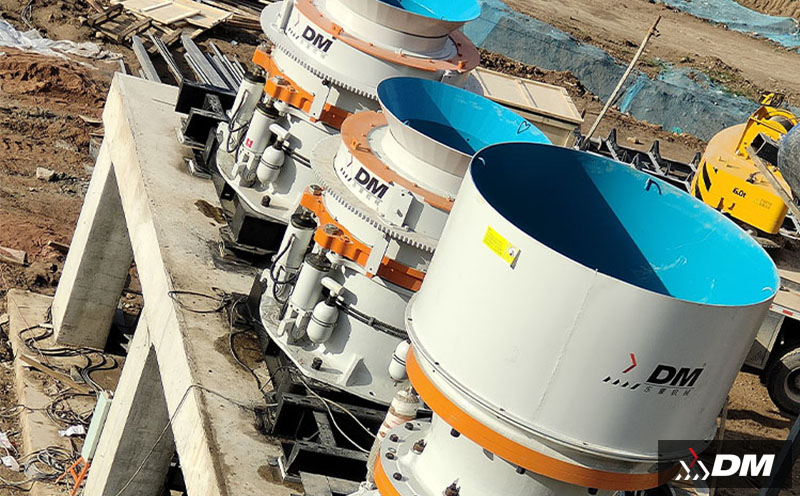
How to start a crusher plant?
Developing a crusher plant that is efficient, reliable, and aligned with production goals is not a simple task of purchasing and installing equipment. It is a complex, systematic project that demands thorough scientific planning, strategic equipment selection, meticulous design, and careful commissioning. Success depends on balancing a multitude of factors, including the unique characteristics of the raw material, targeted production capacity, site-specific conditions, and relevant industry regulations. Whether the goal is to build a new sand and gravel plant, expand a mining operation’s processing capacity, or establish a construction waste recycling facility, a well-defined and structured construction process is the key to ensuring long-term operational efficiency and economic viability. This article provides a comprehensive roadmap for every critical step in the crusher plant development process.
1. Pre-Construction Feasibility Study and Requirement Definition
Before any physical construction begins, a comprehensive feasibility study is essential to clarify the project’s core requirements and avoid costly mistakes in equipment selection or site layout. This phase includes three critical components:
- Material characterization: Conduct a detailed analysis of the raw material to determine its type (e.g., granite, limestone, construction waste), hardness, moisture content, clay content, and maximum feed size. This data is the non-negotiable foundation for selecting the correct type of crushing equipment (e.g., cone crushers for hard, abrasive rock; impact crushers for soft rock or construction waste);
- Finished product specification: Clearly define the required particle size gradations for the finished product (e.g., 0–5 mm fine sand, 5–10 mm aggregate), the target production capacity (hourly, daily, or annual output), and the intended end-use of the product. Different applications—such as high-strength concrete vs. road base—will have vastly different requirements for particle size, shape, and purity;
- Site assessment and regulatory compliance: Evaluate the proposed construction site’s topography (mountainous vs. flat), geological conditions, and available space. Confirm access to critical utilities including water, electricity, and transportation routes. Simultaneously, research and understand all local, regional, and national regulations related to environmental protection, workplace safety, and land use to ensure the project meets all compliance standards from the outset.
2. Strategic Equipment Selection: Matching Components to Project Needs
The selection of equipment is a make-or-break decision that directly impacts the plant’s operational efficiency, maintenance costs, and overall profitability. Every component must be chosen based on the findings of the pre-construction feasibility study:
- Feeding equipment: Select a vibratory feeder model with a capacity that matches the raw material intake rate and the processing capacity of the downstream primary crusher. This balance is crucial to prevent bottlenecks caused by under-feeding or equipment damage from over-feeding;
- Crushing equipment: Adhere to the proven "primary-secondary-tertiary" crushing sequence. Jaw crushers are the optimal choice for primary crushing due to their ability to handle large, hard materials. For secondary crushing, the choice between a cone crusher and an impact crusher will depend on the material’s hardness and the desired shape of the finished product. Sand makers are the go-to solution for tertiary crushing when fine sand production is required, while hammer crushers are suitable for producing fine-grained aggregate;
- Screening equipment: Choose circular vibrating screens with the appropriate number of layers and screen mesh sizes to achieve the desired finished product gradations. Additional screen layers allow for more precise classification, enabling the production of multiple product streams simultaneously;
- Conveying equipment: Specify belt conveyors with the correct width, length, and speed to handle the material volume and the layout of the plant. Pay close attention to the maximum incline angle (typically limited to 18° for most materials) to ensure efficient material transfer without slippage;
- Auxiliary equipment: In regions with strict environmental regulations, invest in high-efficiency baghouse dust collectors and spray dust suppression systems. For raw materials with high clay content, integrate a sand washer into the process. Don’t overlook critical auxiliary components like centralized electrical control panels, product silos, and steel support structures, which are essential for safe and efficient plant operation.
3. Plant Layout Design: Optimizing Flow, Efficiency, and Safety
A well-designed plant layout is essential for maximizing productivity, minimizing operational costs, and ensuring a safe working environment. The layout should be engineered with three key priorities in mind:
- Material flow optimization: Design the layout to follow the most direct path for material flow: raw material storage → primary crushing → screening → secondary crushing → tertiary crushing → finished product screening → finished product storage. Minimizing the length of conveyors not only reduces capital costs but also lowers energy consumption and the risk of material spillage;
- Site utilization: Tailor the layout to the unique topographical features of the site. Mountainous sites can leverage natural elevation changes to create gravity-fed material flow, reducing the number of conveyors needed and cutting energy costs. Flat sites require clear zoning to separate the raw material area, processing area, finished product area, and administrative/office area, preventing cross-contamination and operational conflicts;
- Maintenance and safety access: Allocate a minimum of 1.5 meters of clear space between all pieces of equipment to facilitate routine maintenance, component replacement, and emergency access. Design dedicated areas for the collection of waste materials and dust to maintain a clean and safe working environment for all plant personnel.
4. Site Preparation and Equipment Installation
- Infrastructure development: Complete all necessary site preparation work, including land levelling, excavation, and the pouring of reinforced concrete foundations. Crushing equipment, in particular, requires robust foundations to absorb vibration and prevent structural damage during operation. Install all necessary water and electrical pipelines, and construct the foundations for finished product silos in accordance with the approved layout drawings. All infrastructure must meet the load-bearing and dimensional requirements of the equipment;
- Equipment installation: Engage a team of professional technicians from the equipment manufacturer or a qualified installation company to ensure that all components are installed in strict accordance with technical specifications. The installation sequence is critical: core crushing equipment should be installed first, followed by feeding, screening, and conveying systems. During installation, precise measurements must be taken to ensure equipment levelness and coaxiality, and conveyor belt tension must be adjusted to the optimal setting for efficient material transfer;
- Auxiliary system integration: Install and connect all auxiliary systems, including dust collection, sand washing, and electrical control systems. Conduct thorough tests to ensure that all auxiliary components communicate and work seamlessly with the main crushing and screening line.
5. Commissioning, Trial Production, and Performance Optimization
Once installation is complete, the plant must undergo a rigorous commissioning and trial production phase to ensure that all systems work as intended and that the finished product meets specifications:
- No-load commissioning: Run each piece of equipment individually without any material to test its basic functionality. Check for normal operating speeds, acceptable noise and vibration levels, and the proper operation of all electrical control systems, including start/stop functions and safety interlocks;
- Load commissioning: Gradually introduce raw material into the system for low-load trial production. Monitor key performance indicators such as crushing efficiency, screening accuracy, and the smoothness of material flow. Record all operational parameters for future reference and optimization;
- Process optimization: Use the data collected during trial production to fine-tune plant operations. Adjust parameters such as feed rate, crusher discharge gap, and screen amplitude to achieve the desired finished product gradation and production capacity. This phase may involve several iterations to ensure optimal performance;
- Personnel training: Provide comprehensive training for the plant’s operation and maintenance staff. Training should cover equipment operation procedures, daily inspection checklists, routine maintenance tasks, and troubleshooting methods for common faults. A well-trained team is essential for the long-term, reliable operation of the plant.
6. Regulatory Compliance Acceptance and Full-Scale Production Launch
- Compliance verification: Conduct all required tests and inspections to verify the plant’s compliance with environmental, safety, and quality regulations. This includes testing for dust and noise emissions, inspecting safety equipment and procedures, and verifying the quality of the finished product. Obtain all necessary certification and acceptance documents from the relevant regulatory bodies;
- Full-scale production: After successfully passing all compliance checks, gradually increase the plant’s load to its full design capacity. Implement a comprehensive preventive maintenance program, including daily inspections and regular servicing (e.g., lubrication, replacement of wear parts such as crusher liners and screen meshes). A proactive maintenance strategy is key to minimizing downtime and maximizing the plant’s operational lifespan.
7. Ongoing Operation, Monitoring, and Continuous Improvement
The launch of full-scale production is not the end of the process; it is the beginning of a phase of continuous monitoring and improvement to ensure sustained performance and profitability:
- Performance monitoring: Establish a system for regularly monitoring key performance indicators (KPIs) such as production capacity, finished product quality, energy consumption, and maintenance costs. Use this data to identify trends and potential areas for improvement;
- Maintenance management: Refine the preventive maintenance program based on real-world operational data. Establish a clear schedule for the replacement of wear parts to avoid unexpected equipment failures that can lead to costly downtime. Keep a well-stocked inventory of critical spare parts to minimize lead times for replacements;
- Cost control: Continuously analyze operational costs and identify opportunities for savings. This may include optimizing energy usage, improving material efficiency to reduce waste, or negotiating better terms with suppliers for spare parts and maintenance services;
- Environmental and technological upgrades: Stay informed about the latest advancements in crusher plant technology and evolving environmental regulations. Invest in upgrades—such as more efficient dust collection systems or energy-saving motors—when they offer a clear return on investment or are required to maintain compliance.
Conclusion
Building a successful crusher plant is a complex, multi-faceted project that requires careful planning, strategic decision-making, and meticulous execution at every stage. From the initial feasibility study to ongoing operational optimization, the key to success lies in "precision alignment": ensuring that equipment selection aligns with material and product requirements, layout design aligns with site conditions, and operational management aligns with cost and efficiency goals. Whether constructing a greenfield plant or upgrading an existing facility, the focus must remain on scientific planning, professional equipment selection, and standardized installation and commissioning. By following this comprehensive approach, operators can build a crusher plant that is not only efficient and reliable but also compliant, sustainable, and capable of delivering long-term economic and social value.

Get In Touch With Us