 English
 简体中文
简体中文
 عربي
عربي
 Русский
 Français
 Español
Screen More Tons Without Moving the Plant
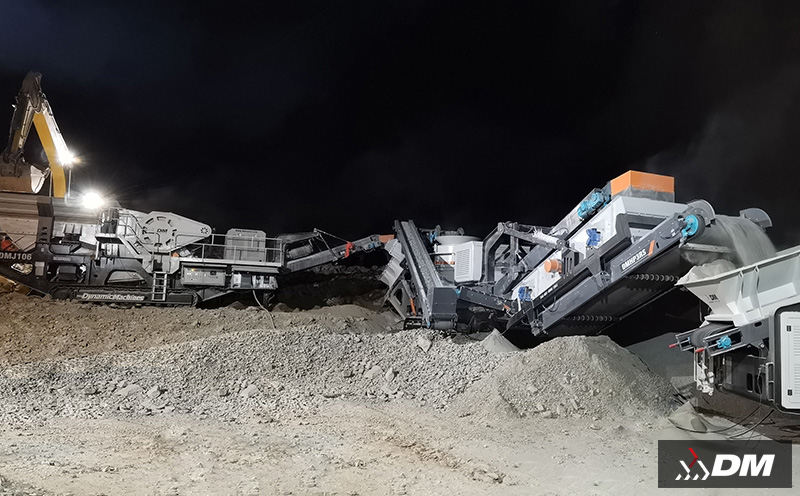
Many contractors lose money not because they cannot crush material, but because they cannot separate it efficiently where and when it is needed. Mixed aggregate piles, excavated soil, recycled concrete, quarry scalping material, sand, gravel, and topsoil all require accurate classification before they can be sold or reused. When screening capacity is limited or fixed in one location, operators often move material multiple times, pay unnecessary transport costs, and leave valuable products mixed in low-value stockpiles. A tracked mobile screening machine solves this problem by bringing classification directly to the material.
For overseas contractors, quarry operators, recycling companies, and earthmoving businesses, mobile screening is often one of the fastest ways to increase revenue from existing materials. Instead of viewing screening as a final step after crushing, successful operators use it as a flexible production tool. A tracked mobile screening machine can scalp dirty feed before crushing, separate finished aggregate, recover usable sand and soil, or create multiple saleable products from one mixed stockpile.
The Real Cost of Unscreened Material
Unscreened material hides value. A mixed pile may contain saleable stone, reusable soil, oversize rock, and fines, but without separation it is often treated as low-grade fill. This reduces income and increases disposal. For contractors working on excavation, demolition, road construction, and quarry jobs, the inability to classify material on site can lead to repeated hauling, double handling, and delayed decisions.
A tracked mobile screening machine helps convert uncertain material into defined products. Once material is separated into clear sizes, it can be used for pipe bedding, drainage, road base, backfill, landscaping, concrete production, or further crushing. The machine allows operators to make practical decisions based on product quality instead of guessing what is inside a pile.
Mobility That Matches Contractor Workflows
Fixed screens are efficient in permanent plants, but many contractors work across multiple locations. A tracked unit can move from a quarry face to a recycling yard, from a road project to a housing development, or from a stockpile area to an excavation site. This mobility reduces the need to transport raw material to a distant fixed plant.
A tracked mobile screening machine is especially useful when project volumes are significant but temporary. The contractor can process material during the active phase of the job and then move the equipment to the next site. This improves utilization and helps one machine support multiple revenue streams throughout the year.
Scalping Before Crushing
In many crushing operations, dirty feed creates major problems. Clay, fines, soil, and small particles reduce crusher efficiency, increase wear, and cause blockages. Placing a tracked mobile screening machine before a fixed jaw crusher, tracked mobile jaw crusher, cone crusher, or impact crusher can remove fines before crushing. This improves the performance of the crusher and reduces unnecessary wear on valuable components.
Scalping is particularly important in quarry overburden, blasted rock with fines, recycled concrete mixed with dirt, and river stone deposits. By removing material that does not need crushing, the operator increases effective crusher capacity. The fines can be stockpiled separately for fill or further processing, while clean oversize continues into the crushing circuit.
Producing Multiple Products in One Pass
Modern mobile screens can produce two, three, or more fractions depending on deck configuration. A tracked mobile screening machine with suitable screen media can separate fine material, mid-size aggregate, and oversize. This allows contractors to create different products for different customers without installing a full fixed plant.
For example, a recycling contractor may process crushed concrete into fines for fill, 20 mm aggregate for road base, and oversize for re-crushing. A quarry may separate scalpings, clean stone, and larger material for secondary crushing. An earthmoving contractor may screen topsoil for landscaping while removing stones and debris. Each separated product has a clearer market and a better price.
Screen Media Selection Matters
Screening performance depends heavily on screen media. Mesh size, aperture shape, wire thickness, polyurethane panels, fingers, punch plates, and anti-clogging options all influence final product quality. A tracked mobile screening machine should be configured according to material type, moisture, stickiness, required cut size, and production target.
Wet, sticky soil requires a different approach than dry crushed stone. Heavy demolition material may need stronger screen media, while fine sand requires attention to blinding and accuracy. Overseas customers should work with equipment suppliers who understand application matching, not only machine dimensions. The right screen media can dramatically improve throughput and reduce cleaning time.
Supporting Crushing and Recycling Operations
A mobile screen can operate independently or as part of a crushing train. When paired with a tracked mobile jaw crusher, tracked mobile cone crusher, or tracked mobile impact crusher, the tracked mobile screening machine completes the production loop. It separates qualified products and returns oversize material when required.
In recycling applications, screening also helps remove fines and contaminants before or after crushing. This improves product quality and helps operators meet customer specifications. In quarry applications, it helps balance the plant by ensuring crushers receive suitable feed and final products are properly classified. Screening is often the difference between a pile of crushed material and a product that can be sold with confidence.
Lower Handling and Faster Cash Flow
Every time material is loaded, hauled, dumped, and reloaded, cost increases. A tracked mobile screening machine reduces these handling steps by processing material at the stockpile or work area. The operator can create finished products immediately and move them directly to use or sale.
This faster conversion from raw material to saleable product improves cash flow. Contractors can invoice customers sooner, reuse material on the same project, or reduce purchases from outside suppliers. For businesses with limited yard space, screening also improves stockpile organization by separating products into defined areas.
Maintenance and Daily Operation
Mobile screens are relatively straightforward compared with crushing machines, but they still require disciplined maintenance. Operators should inspect screen media, bearings, belts, rollers, hydraulic systems, tracks, and conveyors regularly. A tracked mobile screening machine works best when material is fed evenly across the screen width. Poor feeding reduces efficiency and causes uneven wear.
Dust control and safe access are also important. Screening can generate airborne dust, especially with dry aggregate or demolition material. Water spray systems, enclosed conveyors, and proper site layout can reduce environmental impact. Safe platforms and easy access points help operators change screen media and complete inspections without unnecessary risk.
Return on Investment for Mobile Screening
The investment logic for a tracked mobile screening machine is often strong because the machine can unlock value from material that already exists. The operator may not need to increase excavation or crushing volume. Simply separating mixed material can create new products, reduce disposal, and lower purchasing costs.
Return should be calculated based on product value uplift, reduced haulage, lower crusher wear, saved disposal fees, and utilization across projects. A contractor who screens soil one month, recycled concrete the next, and quarry aggregate later in the season can keep the machine working across different markets. This flexibility improves payback and reduces dependence on one material stream.
Conclusion
A tracked mobile screening machine helps contractors and producers solve one of the most common site problems: valuable material trapped in mixed piles. By bringing classification directly to the jobsite, it reduces transport, improves product quality, supports crushing efficiency, and creates multiple saleable fractions. Whether used for scalping, final sizing, recycling, quarry production, or soil processing, mobile screening gives operators more control over material value. For overseas customers facing changing projects and rising logistics costs, it is a practical investment in flexibility, speed, and higher returns from every ton handled.
Get In Touch With Us