 English
 简体中文
简体中文
 عربي
عربي
 Русский
 Français
 Español
Tracked Mobile Jaw Crushers for Disaster Response and Emergency Recovery
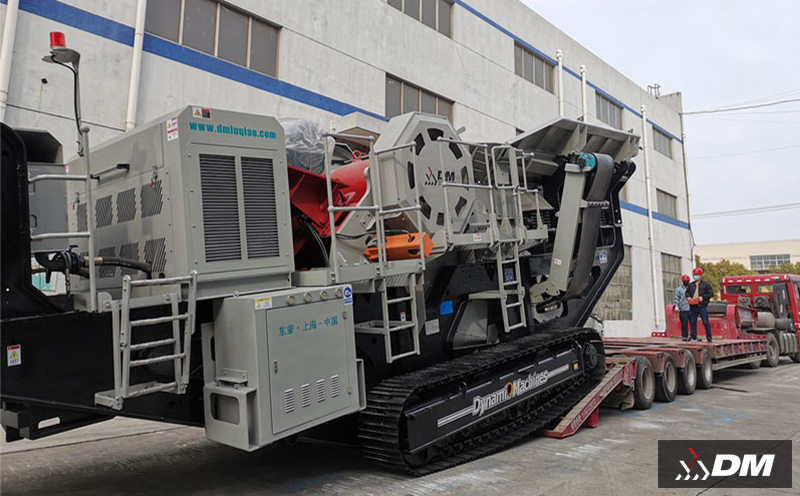
When natural disasters strike—earthquakes, hurricanes, floods, tornadoes—the immediate priority is saving lives and ensuring safety. But in the days and weeks that follow, the massive challenge of clearing debris and beginning recovery becomes apparent. Collapsed buildings, destroyed infrastructure, landslides, and flood damage leave enormous volumes of rubble that must be removed before communities can rebuild. Traditional approaches—hauling debris to landfills, bringing in virgin aggregate for reconstruction—are slow, expensive, and environmentally damaging. A faster, more efficient approach is to process disaster debris on site using mobile crushing equipment, reducing rubble volume immediately and producing reusable aggregate for the recovery effort. The tracked mobile jaw crusher is ideally suited for this emergency response role: self-contained, rapidly deployable, rugged enough to handle mixed disaster debris, and capable of reducing rubble volume by up to 70% or more. For disaster response agencies, emergency management organizations, military engineering units, and international humanitarian groups, a mobile jaw crusher is not just a piece of construction equipment—it is a tool that accelerates recovery, reduces costs, and helps communities rebuild faster after catastrophe.
The Unique Challenges of Disaster Debris Management
Disaster debris is unlike any other material stream that crushing equipment normally handles. First, the material is highly mixed and unpredictable. Collapsed buildings contain concrete, steel, wood, glass, drywall, personal belongings, and hazardous materials all mixed together. Landslide debris contains soil, rock, trees, and whatever was in the path of the slide. The tracked mobile jaw crusher must be able to process this variable, contaminated feed without suffering excessive wear or damage. Second, the volume is enormous and arrives all at once. A major earthquake or hurricane can generate millions of tons of debris in a single event. Equipment must be available and deployable immediately, not weeks or months later. Third, access is often limited. Disasters destroy roads, bridges, and utilities, making it difficult to get heavy equipment into affected areas. The crusher must be transportable and capable of operating in damaged infrastructure environments. Fourth, the goal is different from commercial operations. In disaster response, speed of debris clearance is often more important than maximizing product quality or profit. The crusher must prioritize throughput and reliability over fine product gradation. Fifth, operating conditions are difficult. No grid power, limited water supply, dust everywhere, and potentially hazardous materials in the feed all make for challenging operating conditions.
How a Tracked Mobile Jaw Crusher Excels in Disaster Response
Rapid Deployment and Self-Contained Operation
The most important feature of a tracked mobile jaw crusher for disaster response is its ability to be deployed quickly and operate independently. The machine can be loaded onto a transport aircraft, ship, or heavy truck and delivered to the disaster zone within days. Upon arrival, it drives off the transport, unfolds its discharge conveyor, starts its diesel engine, and is ready to crush within hours. There is no need for external power, water, or infrastructure—everything needed to operate is on board. This rapid self-sufficiency is critical in the immediate aftermath of a disaster when infrastructure is damaged and time is of the essence.
High Volume Reduction of Mixed Debris
A tracked mobile jaw crusher reduces the volume of disaster debris dramatically—typically by 60–75% depending on the material. This volume reduction means far fewer truckloads of material need to be hauled to landfills or disposal sites, reducing haulage cost, traffic congestion, and the time required to clear affected areas. For urban disaster zones where debris clearance is the bottleneck to recovery, this volume reduction directly accelerates the entire rebuilding process.
Rugged Construction for Mixed, Contaminated Feed
Disaster debris is rough on equipment. Rebar, wire, broken glass, and other contaminants can damage less robust machines. A tracked mobile jaw crusher is built tough—heavy steel frame, manganese jaw plates, robust toggle mechanism designed to handle tramp metal and uncrushable objects. The toggle plate acts as a mechanical fuse, breaking to protect more expensive components if an uncrushable object enters the chamber. This ruggedness is essential for disaster debris where you never know exactly what the next bucket of feed will contain.
Production of Reusable Aggregate for Reconstruction
Beyond just volume reduction, a tracked mobile jaw crusher produces crushed material that can be reused in the recovery and rebuilding effort. Crushed concrete and masonry from collapsed buildings can be used as base course for temporary roads, as fill for repairing flood-damaged embankments, or as general construction aggregate for rebuilding. Producing usable aggregate on site reduces the need to import virgin aggregate for reconstruction, saving both money and time. In remote disaster zones where aggregate supply lines are disrupted, on-site crushing can be the only way to get the material needed for immediate reconstruction.
Disaster Response Application Scenarios
Earthquake Collapsed Building Debris Clearance
Earthquakes produce the most dramatic and concentrated volumes of building debris—collapsed concrete structures, masonry buildings, and infrastructure. A tracked mobile jaw crusher deployed to the earthquake zone can process this concrete and masonry debris on site, reducing volume and clearing sites for search and rescue, recovery, and eventual rebuilding. The crushed material can be used for temporary access roads, foundation backfill, and as aggregate for reconstruction concrete. For major earthquakes in developing countries where aggregate supply is limited, on-site crushing is especially valuable.
Hurricane and Storm Structural Debris
Hurricanes and tropical storms destroy buildings, flood infrastructure, and leave widespread debris across large geographic areas. A tracked mobile jaw crusher can be deployed to process structural debris—demolished houses, damaged commercial buildings, broken seawalls—reducing the volume that must be hauled to disposal sites. The mobile nature of the crusher allows it to move between neighborhoods and communities as cleanup progresses, rather than requiring all debris to be hauled to a central location.
Flood and Landslide Debris Processing
Floods and landslides produce a different type of debris—mud, soil, rock, trees, and damaged structures mixed together. A tracked mobile jaw crusher with a grizzly feeder can process the rock and concrete fraction of this material, separating out the soil and fines through the grizzly. The crushed rock can be used for repairing flood-damaged levees, stabilizing landslide areas, or rebuilding road embankments. Processing debris on site reduces the volume of material that must be hauled away, which is especially important in flooded areas where road access is limited.
Post-Disaster Infrastructure Reconstruction
After the immediate debris clearance phase, the reconstruction phase begins—rebuilding roads, bridges, buildings, and utilities. This reconstruction requires large volumes of aggregate. A tracked mobile jaw crusher that was deployed for debris clearance can continue operating through the reconstruction phase, processing local rock or recycled debris into construction aggregate. This continuity of equipment use maximizes the value of the deployment and supports the long-term recovery effort.
Humanitarian and Refugee Camp Construction
In major disaster situations where large populations are displaced, temporary refugee camps or shelter sites must be built quickly. These camps require access roads, site grading, drainage, and foundation materials—all of which need aggregate. A tracked mobile jaw crusher can produce the necessary aggregate from local sources or disaster debris, supporting the rapid construction of shelter and infrastructure for displaced populations.
Benefits for Disaster Response Organizations
Faster Debris Clearance and Recovery
The most important benefit of deploying a tracked mobile jaw crusher in disaster response is speed. On-site crushing reduces debris volume dramatically, meaning fewer truck trips, less congestion, and faster clearance of affected areas. Faster debris clearance means communities can begin recovering sooner—homes can be rebuilt, businesses can reopen, and lives can return to normal more quickly. For disaster response organizations measured by how quickly they help communities recover, this speed is the ultimate measure of success.
Cost Savings in Disposal and Haulage
Disaster debris management is enormously expensive. Hauling millions of tons of debris to landfills requires fleets of trucks, fuel, labor, and landfill tipping fees. On-site crushing with a tracked mobile jaw crusher reduces the volume to be hauled by two-thirds or more, cutting haulage and disposal costs proportionally. These cost savings allow disaster response budgets to go further, helping more people with the same amount of funding.
Local Material for Local Reconstruction
Producing aggregate on site from disaster debris means less aggregate has to be imported for reconstruction. In remote disaster zones or in developing countries where aggregate supply is limited or expensive, this local supply can be the difference between rebuilding quickly and waiting months for materials. Using recycled debris also reduces the environmental impact of reconstruction by reducing the need for new quarrying.
Operational Independence and Self-Sufficiency
A tracked mobile jaw crusher is completely self-contained—it carries its own engine, fuel tank, hydraulic system, and control panel. It does not need grid power, water supply, or any external infrastructure to operate. This self-sufficiency is essential in disaster zones where utilities are destroyed and infrastructure is damaged. The machine can operate wherever there is debris to process, without waiting for utilities to be restored.
Scalability and Flexibility
Disaster situations are unpredictable—you never know exactly how much debris there will be, what it will consist of, or where the worst-hit areas will be. A tracked mobile jaw crusher is flexible and scalable. One machine can handle a small or medium disaster; multiple machines can be deployed for major events. The crusher can move between locations as the response effort shifts from one area to another. This flexibility allows response organizations to match their crushing capacity to the actual needs on the ground.
Selection and Preparedness Considerations
For organizations that maintain disaster response equipment, selecting the right tracked mobile jaw crusher requires thinking about the specific demands of emergency deployment. First, transportability is critical. The machine should be sized for transport by the available means—truck, ship, or aircraft. Weight and dimensions must be compatible with the transport fleet and the road infrastructure in likely deployment areas. Second, ease of operation and maintenance matters. In disaster situations, the operator may not be a specialist, and maintenance resources may be limited. The machine should be straightforward to operate and maintain, with good documentation and simple systems. Third, fuel consumption and fuel supply should be considered. A machine that is fuel-efficient or can run on locally available fuel types is easier to sustain in remote disaster zones. Fourth, safety features are especially important in chaotic disaster environments. Emergency stops, guarding, lockout/tagout capability, and operator protection should all be evaluated. Fifth, the organization should have a deployment plan—how the crusher will be transported, who will operate it, how it will be maintained, and how it will be demobilized after the response. Pre-positioning the crusher in a strategic location with a ready deployment team ensures it can be on the road within hours of a disaster.
Operation and Safety in Disaster Environments
Site Assessment and Safety Planning
Before deploying a tracked mobile jaw crusher to a disaster site, a thorough safety assessment must be conducted. The site should be checked for structural hazards (unstable buildings, hanging debris), environmental hazards (chemical spills, gas leaks), and utility hazards (downed power lines, broken water mains). A site-specific safety plan should be developed covering personal protective equipment, exclusion zones, emergency procedures, and hazardous material handling. Disaster sites are inherently dangerous, and crusher operations must be planned to minimize risk to both operators and the public.
Feed Material Screening and Hazard Control
Disaster debris can contain hazardous materials—asbestos, lead paint, chemical containers, medical waste—that should not be processed through the crusher. Before crushing, the feed material should be visually inspected and, where necessary, sorted to remove obviously hazardous items. Operators should be trained to recognize and stop processing if hazardous materials are encountered. Dust control is also important in disaster environments where airborne contaminants may be present; water spray systems and personal protective equipment should be used.
Operator Training and Emergency Response
Operators of disaster-response tracked mobile jaw crusher units should be trained not just in normal operation but also in emergency procedures. What to do if a gas leak is detected, how to shut down quickly in case of aftershocks, who to contact for medical or rescue emergencies—all of these should be covered in training. Operators should also be trained to work safely around other response activities—search and rescue, medical operations, utility repair—that may be happening nearby.
Maintenance Under Difficult Conditions
Maintaining a tracked mobile jaw crusher in a disaster zone is challenging. Spare parts may be limited, service facilities may not exist, and conditions are dirty and dusty. Operators should focus on the most critical maintenance items—engine fluids, air filters, lubrication, and jaw plate inspection. Basic spare parts and tools should travel with the machine. For longer deployments, arrangements should be made for resupply of parts and fuel. Good housekeeping—keeping the machine clean, removing debris buildup—helps prevent problems before they start.
Demobilization and Post-Deployment Refurbishment
After the disaster response is complete, the tracked mobile jaw crusher must be properly demobilized. The machine should be thoroughly cleaned to remove any hazardous material residue before transport. A full inspection and maintenance service should be performed upon return to the home base, repairing any damage and replacing worn parts. The crusher should then be returned to ready status, prepared for the next deployment. Documentation of the deployment—tons processed, locations served, issues encountered—should be compiled to improve future response planning.
Conclusion
Natural disasters are inevitable, but how communities recover from them is not. The speed and effectiveness of debris clearance and reconstruction play a huge role in determining how quickly a community bounces back after a catastrophe. The tracked mobile jaw crusher has proven to be an invaluable tool in disaster response and recovery, offering rapid deployment, self-contained operation, and dramatic volume reduction of disaster debris. By processing rubble on site, these machines reduce haulage costs, accelerate clearance, and produce reusable aggregate that supports the rebuilding effort. For emergency management agencies, humanitarian organizations, military engineering units, and international relief groups, investing in mobile crushing capability is an investment in faster, more cost-effective, and more sustainable disaster recovery. While no one wishes for disasters, being prepared with the right equipment can make all the difference in how quickly communities can rebuild and recover. As climate change increases the frequency and severity of extreme weather events, and as urban populations grow in earthquake-prone regions, the importance of having rapidly deployable tracked mobile jaw crusher units ready for disaster response will only continue to grow. When the next disaster strikes, having a mobile crusher on the way within hours—not weeks—can mean the difference between a slow, painful recovery and a community that rebuilds stronger and faster than before.
Get In Touch With Us