 English
 简体中文
简体中文
 عربي
عربي
 Русский
 Français
 Español
Screening Machines: Precision Separation
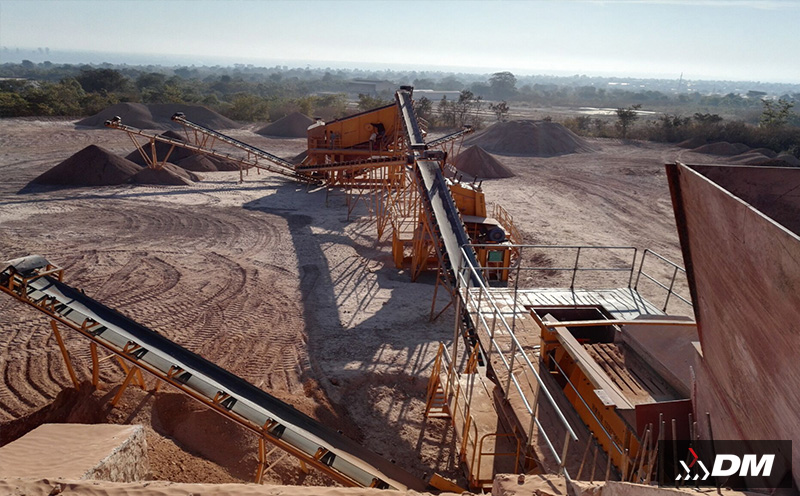
Crushing is only half the equation in aggregate production; screening is where value is realized. Poor screening efficiency leads to excessive recirculation, reduced throughput, and off-spec product that commands discounted prices. Whether operating a permanent quarry or a mobile contract crushing spread, the screening stage is the gatekeeper of profitability. Fixed and tracked screening machines each offer distinct advantages, and understanding their optimal deployment is essential for maximizing circuit efficiency and product quality.
Fixed Screening: The Backbone of High-Capacity Plants
In permanent aggregate plants, a fixed screening machine serves as the central sorting hub, handling high volumes of crushed material with consistent precision. Multi-deck vibrating screens with adjustable stroke and amplitude settings allow operators to fine-tune separation efficiency for different product specifications. Modern fixed screens feature modular deck designs that simplify media changes and reduce downtime during specification switches. High-frequency screening technology has further enhanced efficiency, particularly for manufactured sand and fine aggregate applications where traditional screens struggle with blinding and capacity limitations. Proper feed distribution across the full screen width is critical; vibrating feeders and well-designed chutes ensure even material presentation, maximizing screen utilization and media life.
In permanent aggregate plants, a fixed screening machine serves as the central sorting hub, handling high volumes of crushed material with consistent precision. Multi-deck vibrating screens with adjustable stroke and amplitude settings allow operators to fine-tune separation efficiency for different product specifications. Modern fixed screens feature modular deck designs that simplify media changes and reduce downtime during specification switches. High-frequency screening technology has further enhanced efficiency, particularly for manufactured sand and fine aggregate applications where traditional screens struggle with blinding and capacity limitations. Proper feed distribution across the full screen width is critical; vibrating feeders and well-designed chutes ensure even material presentation, maximizing screen utilization and media life.
Mobile Screening: Agility in Action
Contract crushing and multi-site operations demand screening solutions that match the mobility of upstream crushing equipment. A tracked mobile screening machine transforms screening from a stationary bottleneck into a flexible, repositionable asset. Self-contained units with integrated feed hoppers and radial stockpile conveyors create complete classification systems that can be relocated in hours. This mobility enables closed-circuit operation with mobile crushers, allowing real-time adjustment of product splits as market demands shift. Advanced screening technologies, including flip-flow screens and high-frequency decks, have been adapted for mobile platforms, bringing precision separation to applications previously limited to stationary plants.
Contract crushing and multi-site operations demand screening solutions that match the mobility of upstream crushing equipment. A tracked mobile screening machine transforms screening from a stationary bottleneck into a flexible, repositionable asset. Self-contained units with integrated feed hoppers and radial stockpile conveyors create complete classification systems that can be relocated in hours. This mobility enables closed-circuit operation with mobile crushers, allowing real-time adjustment of product splits as market demands shift. Advanced screening technologies, including flip-flow screens and high-frequency decks, have been adapted for mobile platforms, bringing precision separation to applications previously limited to stationary plants.
Optimizing Screening Efficiency
Screening efficiency is measured by the percentage of correctly sized material that passes through the screen media versus material that reports to the wrong product stream. Several factors influence this metric: screen media selection, stroke and speed settings, feed rate, and material characteristics. Wire mesh offers high open area and precision sizing but wears faster in abrasive applications. Polyurethane panels provide longer life and reduced noise but may have lower open area. Rubber screens excel in heavy-duty scalping and high-impact applications. For fixed screening machine installations, automated tensioning systems and quick-change media designs minimize downtime during media changes. Tracked mobile screening machine units often feature hydraulic deck angle adjustment, allowing operators to optimize screening action for different materials without mechanical reconfiguration.
Screening efficiency is measured by the percentage of correctly sized material that passes through the screen media versus material that reports to the wrong product stream. Several factors influence this metric: screen media selection, stroke and speed settings, feed rate, and material characteristics. Wire mesh offers high open area and precision sizing but wears faster in abrasive applications. Polyurethane panels provide longer life and reduced noise but may have lower open area. Rubber screens excel in heavy-duty scalping and high-impact applications. For fixed screening machine installations, automated tensioning systems and quick-change media designs minimize downtime during media changes. Tracked mobile screening machine units often feature hydraulic deck angle adjustment, allowing operators to optimize screening action for different materials without mechanical reconfiguration.
Integration and Circuit Balance
Screening performance cannot be evaluated in isolation; it must be balanced with upstream crushing and downstream stockpiling. In circuits with fixed screening machines, conveyor capacities, transfer points, and surge bin volumes must be sized to accommodate peak screening loads without bottlenecks. Recirculating conveyors should be designed to handle oversize material without degradation or spillage. With tracked mobile screening machine units, integration with mobile crushers requires careful attention to feed height, discharge alignment, and interlock systems. Remote monitoring and automated feed control help maintain optimal screen loading, preventing overfeed conditions that reduce efficiency and accelerate wear.
Screening performance cannot be evaluated in isolation; it must be balanced with upstream crushing and downstream stockpiling. In circuits with fixed screening machines, conveyor capacities, transfer points, and surge bin volumes must be sized to accommodate peak screening loads without bottlenecks. Recirculating conveyors should be designed to handle oversize material without degradation or spillage. With tracked mobile screening machine units, integration with mobile crushers requires careful attention to feed height, discharge alignment, and interlock systems. Remote monitoring and automated feed control help maintain optimal screen loading, preventing overfeed conditions that reduce efficiency and accelerate wear.
Maintenance and Operational Best Practices
Sustaining screening performance requires disciplined maintenance and operational practices. For fixed screening machine installations, regular inspection of screen media, tensioning systems, and drive components is essential. Vibration analysis can detect bearing wear and structural issues before they cause catastrophic failures. Dust suppression systems protect both equipment and personnel while maintaining product quality. Tracked mobile screening machine units require additional attention to track systems, hydraulic components, and conveyor belt alignment. Self-cleaning screen media and anti-blinding technologies reduce maintenance frequency in sticky or damp materials. Operator training on screen optimization techniques—adjusting stroke, speed, and deck angle for specific materials—is equally important for maximizing efficiency.
Sustaining screening performance requires disciplined maintenance and operational practices. For fixed screening machine installations, regular inspection of screen media, tensioning systems, and drive components is essential. Vibration analysis can detect bearing wear and structural issues before they cause catastrophic failures. Dust suppression systems protect both equipment and personnel while maintaining product quality. Tracked mobile screening machine units require additional attention to track systems, hydraulic components, and conveyor belt alignment. Self-cleaning screen media and anti-blinding technologies reduce maintenance frequency in sticky or damp materials. Operator training on screen optimization techniques—adjusting stroke, speed, and deck angle for specific materials—is equally important for maximizing efficiency.
Strategic Screening Investment
The choice between fixed and mobile screening depends on operational scale, product mix, and site logistics. Fixed screening machines offer superior economics for high-volume, permanent operations with stable product specifications. Multi-deck configurations and high-capacity designs maximize throughput and minimize cost-per-ton. Tracked mobile screening machines provide unmatched flexibility for contract crushing, recycling, and multi-site operations. The ability to reposition screens as work faces advance or product demands shift enables responsive production planning and reduced haulage costs. Some operators employ hybrid strategies, using fixed screens for base-load production while deploying mobile units for surge capacity, specialty products, or remote sites.
The choice between fixed and mobile screening depends on operational scale, product mix, and site logistics. Fixed screening machines offer superior economics for high-volume, permanent operations with stable product specifications. Multi-deck configurations and high-capacity designs maximize throughput and minimize cost-per-ton. Tracked mobile screening machines provide unmatched flexibility for contract crushing, recycling, and multi-site operations. The ability to reposition screens as work faces advance or product demands shift enables responsive production planning and reduced haulage costs. Some operators employ hybrid strategies, using fixed screens for base-load production while deploying mobile units for surge capacity, specialty products, or remote sites.
In summary, screening machines—whether fixed screening machine or tracked mobile screening machine—are the critical interface between crushing and marketable product. Precision separation directly impacts yield, product quality, and operational efficiency. By matching screening technology to application requirements, optimizing circuit balance, and maintaining disciplined operational practices, producers can transform screening from a cost center into a value driver. In an increasingly competitive aggregate market, screening excellence is not optional—it is essential for sustained profitability and customer satisfaction.
Get In Touch With Us