 English
 简体中文
简体中文
 عربي
عربي
 Русский
 Français
 Español
Fixed Screening Machines for Iron Ore Beneficiation Circuits
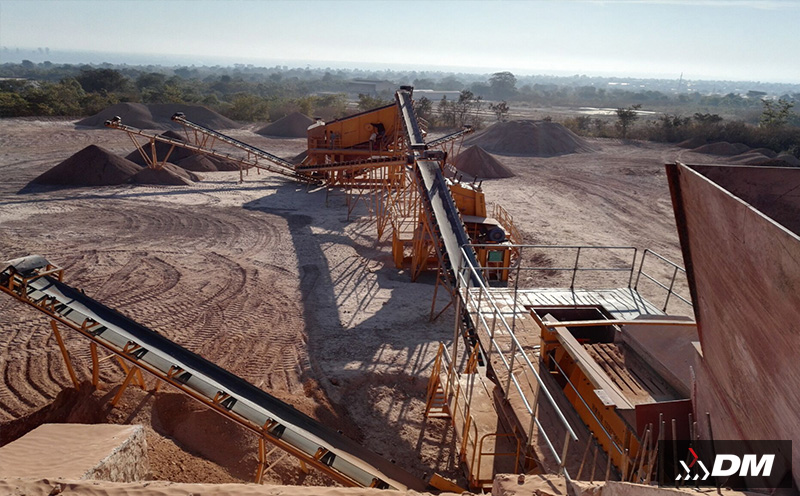
Iron ore beneficiation—the process of upgrading low-grade run-of-mine ore into high-quality iron ore concentrate suitable for steelmaking—is a complex, multi-stage operation that depends on precise size control at every step. From crushing to grinding to concentration and dewatering, each stage relies on properly sized feed to operate efficiently, and screening is the technology that makes that size control possible. In every modern iron ore processing plant, the fixed screening machine is a critical piece of equipment that appears at multiple points in the flow sheet: scalping oversize before primary grinding, classifying ground ore for gravity or magnetic separation, sizing concentrate products, and dewatering final products. Unlike mobile screens used in construction and aggregate applications, a stationary screen in an iron ore plant is a heavy-duty, continuously operated unit built for the abrasive, high-tonnage environment of mineral processing. When selected, installed, and maintained correctly, the fixed screening machine improves overall plant efficiency, increases iron recovery, reduces energy consumption in grinding, and ensures the final concentrate meets strict size and grade specifications. For iron ore producers, investing in quality stationary screening equipment is not just a matter of equipment selection—it is a direct investment in plant throughput, product quality, and profitability.
The Critical Role of Screening in Iron Ore Processing
Screening is often described as a "support" operation in mineral processing, but its impact on overall plant performance is enormous. First, screening protects downstream equipment. Scalping screens remove oversize rock, tramp material, and wood from the feed to grinding mills, preventing damage and downtime. Second, screening controls the size of material entering each processing stage. For grinding mills, the feed size directly affects grinding efficiency and energy consumption—finer feed means less grinding energy required. For magnetic separators and gravity concentration equipment, proper feed sizing is essential for efficient separation and maximum iron recovery. Third, screening classifies products into saleable size fractions. Iron ore products—lump ore, fines, concentrate—are sold in specific size ranges, and screening determines whether the product meets specification. Fourth, closed-circuit screening around grinding mills controls the grind size and recirculating load, which is one of the most important parameters in the entire beneficiation plant. In short, the fixed screening machine is the size-control backbone of the iron ore beneficiation process.
How Fixed Screening Machines Optimize Iron Ore Circuits
Heavy-Duty Construction for Abrasive Ore and Continuous Duty
Iron ore is highly abrasive, and iron ore processing plants run 24 hours a day, 365 days a year. A fixed screening machine in this service must be built to withstand both the abrasion of the ore and the mechanical stress of continuous vibration. Heavy-duty side plates, reinforced cross members, industrial vibrator mechanisms, and wear-resistant screen media are all standard features of mineral-processing-duty screens. The screen body is typically all-welded steel construction with reinforced feed end sections where the impact of falling material is greatest. This robust construction is necessary because a screen failure in an iron ore plant can stop the entire processing line, costing thousands of dollars per hour in lost production.
Precise Size Classification for Efficient Concentration
Iron ore concentration processes—magnetic separation, flotation, gravity separation—all work best within a specific particle size range. If the feed is too coarse, the iron-bearing minerals are not sufficiently liberated and recovery drops. If the feed is too fine, separation efficiency decreases and slimes losses increase. A fixed screening machine provides the precise size classification that ensures each concentration stage receives feed within its optimal size range. This optimized sizing maximizes iron recovery, improves concentrate grade, and reduces the amount of valuable iron lost to tailings.
Closed-Circuit Grinding Control
One of the most important applications of fixed screening machine units in iron ore plants is closed-circuit screening around ball mills or SAG mills. The screen separates ground ore into fine product that passes on to concentration and oversize material that returns to the mill for further grinding. This closed loop controls the product size (grind fineness) and the recirculating load—the amount of material circulating through the mill and screen. Properly tuned closed-circuit screening maximizes grinding efficiency, reduces specific energy consumption per ton of product, and ensures consistent feed size for downstream concentration. The performance of the screen directly affects mill throughput and overall plant capacity.
Multi-Stage Product Sizing and Classification
Modern iron ore processing plants produce multiple products: lump ore (typically +6 mm or +8 mm), fine ore (-6 mm or -8 mm), and sometimes pellet feed concentrate (very fine, -0.5 mm or finer). A series of fixed screening machine units separates the ore into these product fractions at various points in the flow sheet. Each screen is sized and configured for its specific duty—coarse screens for lump/fine separation, fine screens for concentrate sizing, and dewatering screens for final product moisture control. This multi-stage screening approach allows the plant to optimize each product stream independently and maximize the value of the ore.
Key Iron Ore Screening Applications
Primary Crushing Scalping Screens
Before iron ore enters the primary grinding circuit, it passes through a scalping screen that removes oversize boulders, tramp wood, and other debris. This fixed screening machine protects the SAG mill or primary crusher from damage and ensures that only properly sized material enters the grinding circuit. Scalping screens in iron ore service are typically heavy-duty double-deck units with large apertures on the top deck and medium apertures on the bottom deck.
Closed-Circuit SAG and Ball Mill Screens
SAG (Semi-Autogenous Grinding) mills and ball mills are the heart of the grinding circuit, and closed-circuit screens control their performance. The fixed screening machine takes mill discharge and separates it into finished ground product (passing to concentration) and oversize that returns to the mill. These screens are typically high-capacity, fine-sizing units operating with recirculating loads of 100–300% or more. The screen area and efficiency directly determine how much finished product the mill can produce.
Magnetic Separation Feed Sizing
Before iron ore enters magnetic separators, it is often screened to ensure the feed is within the optimal size range for the magnetic separation process. A fixed screening machine removes both oversize (too coarse for effective magnetic separation) and undersize (slimes that cause problems in the magnetic circuit). This feed preparation step improves magnetic separation efficiency and increases overall iron recovery.
Concentrate Dewatering Screens
After final concentration, iron ore concentrate contains significant moisture from the wet processing circuit. A dewatering fixed screening machine removes surface water from the concentrate, reducing moisture content before filtration or stockpiling. Dewatering screens use special high-frequency vibration and fine screen media to drain water efficiently while retaining the fine concentrate particles. Lower moisture content in the final product reduces transportation costs and improves handling characteristics.
Final Product Sizing and Classification
The final stage of screening in an iron ore plant sizes the finished products into marketable fractions. Lump ore, fine ore, and pellet feed concentrate are all sized on fixed screening machine units to meet customer specifications. These final sizing screens are critical for product quality—if the product is out of size specification, it may be rejected by the customer or sold at a discount.
Customer Benefits for Iron Ore Producers
Increased Plant Throughput
A well-designed and properly maintained fixed screening machine circuit allows the entire iron ore processing plant to run at higher throughput. When screens are efficient, mills can produce more finished product per hour, concentration stages operate at optimal feed rates, and bottlenecks are eliminated. For an iron ore mine, higher throughput means more tons of saleable product per year and better utilization of the entire plant investment.
Improved Iron Recovery and Concentrate Grade
Proper size control from fixed screening machine units ensures that each concentration stage receives feed within its optimal size range, maximizing separation efficiency and iron recovery. More of the iron in the ore is recovered into saleable concentrate, and less is lost to tailings. Improved recovery means more product from the same amount of ore, increasing the total value extracted from the mineral resource and extending the effective life of the mine.
Reduced Grinding Energy Consumption
Closed-circuit screening around grinding mills allows operators to optimize the grind size and recirculating load for maximum energy efficiency. When the fixed screening machine is operating efficiently, the mill does not waste energy re-grinding already-fine material, and the overall specific energy consumption (kWh per ton of product) is reduced. Energy is one of the largest operating costs in an iron ore plant, so even a small percentage reduction in energy use translates into significant cost savings.
Consistent Product Quality and Specification Compliance
Iron ore customers—steel mills, pellet plants, traders—have strict specifications for product size, iron content, and impurities. A fixed screening machine circuit that produces consistently sized products helps the plant meet these specifications reliably. Consistent product quality builds customer trust, reduces the risk of rejected shipments, and supports premium pricing for high-quality, specification-grade products.
Lower Maintenance Cost per Ton
While heavy-duty mineral-processing screens have higher upfront costs, their robust construction and wear-resistant design result in lower maintenance cost per ton of material processed over the long run. Compared to lighter-duty screens that fail frequently and require constant media replacement, a properly specified fixed screening machine for iron ore service delivers reliable performance with predictable maintenance intervals and manageable wear costs.
Selection and Sizing for Iron Ore Applications
Selecting a fixed screening machine for an iron ore beneficiation plant requires specialized engineering analysis. The first step is defining the application: scalping, closed-circuit grinding, classification, or dewatering. Each application has different requirements for screen type, size, stroke, speed, and deck angle. Throughput capacity—both total tonnage and the tonnage of each size fraction—determines the required screen area. Feed size distribution and target cut points determine the number of decks and the aperture sizes. Material characteristics—hardness, abrasiveness, specific gravity, moisture content—influence screen media selection and the required screen robustness. For wet screening applications (common in iron ore processing), water spray systems and slurry handling capability must be considered. The screen drive mechanism—vibrator motors, eccentric shaft, or geared excitation—is chosen based on the required stroke, frequency, and duty severity. Finally, integration with the plant's material handling system—feed chutes, discharge launders, pump boxes, and conveyor connections—must be carefully engineered to ensure smooth material flow and proper feed distribution across the screen deck.
Operation and Maintenance in Mineral Processing Plants
Screen Media Management
Screen media is the highest-wear component on any fixed screening machine, and in abrasive iron ore service, media life can be short. Operators should implement a regular inspection program to check for worn apertures, broken panels, and loose fasteners. Polyurethane and rubber screen media typically last longer than wire cloth in abrasive iron ore service and should be considered for high-wear decks. Having the right spare media on hand minimizes downtime when replacement is needed.
Feed Distribution and Chute Maintenance
Even feed distribution across the full width of the screen deck is essential for maximum screening efficiency. Feed chutes and deflector plates should be inspected regularly and adjusted or repaired as needed to ensure even loading. Uneven feed causes uneven wear, reduces effective screen area, and degrades separation efficiency. Chute liners should be inspected for wear and replaced before they wear through.
Vibrator Mechanism Maintenance
The vibrator mechanism—whether vibrator motors or an eccentric shaft drive—is the heart of the fixed screening machine. Regular greasing with the correct grease type and quantity is essential. Vibration monitoring—measuring amplitude, frequency, and operating temperature—detects developing problems like bearing wear, unbalance, or loose fasteners before they cause catastrophic failure. Vibrator mechanisms should be rebuilt or replaced on a scheduled basis before failure occurs.
Structural Inspection and Fatigue Management
Continuous vibration causes fatigue stress on the screen body and support structure. Periodic structural inspection—looking for cracks in side plates, broken welds, loose cross members, and worn spring mounts—catches fatigue damage early and allows repair during scheduled shutdowns. For screens operating in iron ore plants with high tonnage and continuous duty, annual structural inspections by qualified engineers are recommended.
Process Monitoring and Optimization
Modern iron ore plants use SCADA systems to monitor screen performance parameters—vibration amplitude, bearing temperature, feed rate, and power draw. Operators should use this data to optimize screen performance and detect developing problems. Regular sampling and sizing analysis of feed and product streams helps evaluate screening efficiency and identify when adjustments are needed. Good process monitoring ensures that the screening circuit is always operating at peak efficiency, supporting overall plant performance.
Conclusion
In the complex world of iron ore beneficiation, the fixed screening machine is a quietly critical piece of equipment that influences virtually every stage of the process. From protecting grinding mills to controlling circuit throughput, from optimizing concentration efficiency to ensuring final product quality, stationary screens are the size-control backbone of the entire beneficiation plant. For iron ore producers, the performance of the screening circuit directly affects throughput, recovery, energy consumption, and product quality—all of the key metrics that determine profitability. When properly selected for each specific application, installed with correct feed and discharge arrangements, and maintained with disciplined attention to media wear and vibrator health, the fixed screening machine delivers reliable, efficient size classification that supports optimal performance of the entire processing plant. As iron ore deposits become lower grade and processing becomes more complex, and as steelmakers demand higher-quality, more consistent ore products, the importance of reliable, high-performance stationary screening in iron ore beneficiation will only continue to grow. For mine operators and plant managers who understand the full impact of screening on their operation, investing in quality fixed screening machine units is one of the most cost-effective ways to improve plant performance, increase recovery, and strengthen the bottom line.
Get In Touch With Us