 English
 简体中文
简体中文
 عربي
عربي
 Русский
 Français
 Español
Turn Demolition Waste Into Saleable Aggregate
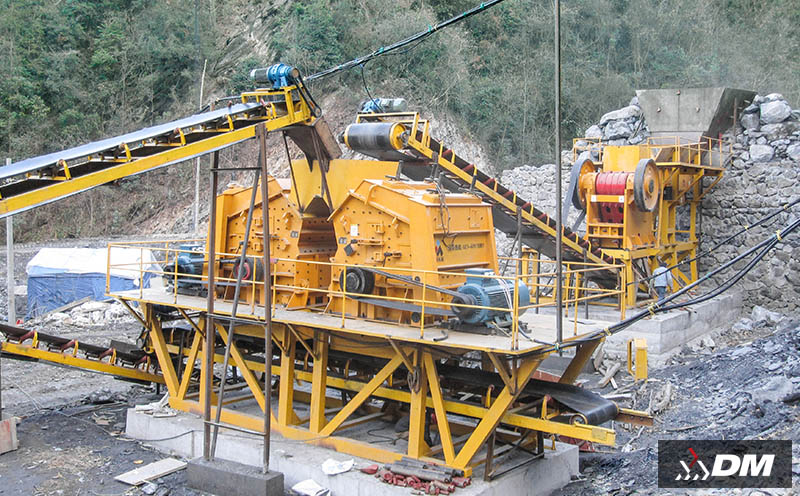
Construction and demolition waste is no longer just a disposal problem. In many markets, landfill space is limited, dumping fees are rising, and governments are encouraging recycled materials in road base, backfill, drainage layers, and non-structural concrete. Contractors, recycling yard owners, and municipal material recovery operators are looking for ways to turn mixed concrete, brick, asphalt, and demolition debris into usable products. A fixed impact crusher can become the center of that transformation when the business model is based on continuous recycling at one site.
Unlike hard rock quarrying, recycling applications often involve variable feed material. Reinforced concrete, broken asphalt, masonry, tiles, and mixed construction waste may arrive from different demolition projects every day. The equipment must handle irregular shapes, embedded steel, and changing moisture levels. A fixed impact crusher is well suited to many of these challenges because it delivers strong reduction, good particle shape, and effective liberation of materials such as steel from concrete.
Recycling Is a Project Solution, Not Only a Machine Choice
Customers who invest in recycling equipment usually have several pain points at the same time. They need to reduce disposal cost, comply with environmental regulations, create saleable products, and keep trucks moving through the yard efficiently. A fixed impact crusher supports these goals, but the complete solution also includes feeding, pre-screening, magnetic separation, dust control, final screening, and stockpile management.
The objective is to build a material flow that accepts difficult waste and produces consistent recycled aggregate. When designed correctly, the plant can receive demolition debris, remove contaminants, crush the mineral fraction, separate rebar and metal, and classify products for different uses. This turns a cost center into a revenue stream.
Why Impact Crushing Works for Concrete and Asphalt
The crushing principle of an impact crusher is especially useful when particle shape and material liberation matter. Concrete waste often contains cement paste, aggregate, and steel reinforcement. Impact crushing helps break the material along weak points, producing a more cubical product and freeing steel for magnetic removal. Asphalt recycling also benefits from controlled impact reduction because the final material can be used in road base or further processing.
A fixed impact crusher can be configured with suitable blow bars, rotor speed, and impact aprons to match the feed material. For heavily reinforced concrete, the plant should include strong magnetic separation and a layout that allows easy removal of steel. For asphalt or softer demolition material, the machine can be adjusted to reduce excessive fines while achieving the required product size.
Creating Products the Market Wants
Recycled aggregate is only valuable if customers trust its quality. Common products include recycled road base, pipe bedding, drainage material, sub-base, fill material, and selected aggregate for concrete blocks or paving products. A fixed impact crusher helps improve market acceptance by producing a more consistent and attractive particle shape compared with poorly controlled crushing methods.
However, crushing alone is not enough. A downstream screening machine is essential for separating final sizes. Oversize material can be returned for further crushing, while fines and usable aggregate are stockpiled separately. If the plant handles mixed demolition waste, additional sorting before crushing may be required to remove wood, plastic, gypsum, or other contaminants. The cleaner the final product, the easier it is to sell.
Reducing Landfill Cost and Truck Movements
One of the strongest business cases for a fixed recycling plant is landfill cost reduction. Every ton of concrete or asphalt that can be processed and reused is a ton that does not need to be dumped. For demolition contractors, this can improve tender competitiveness. For recycling yards, it creates a paid intake model combined with aggregate sales. For municipalities, it supports circular construction policies and reduces pressure on landfill capacity.
A fixed impact crusher installed at a central recycling yard can process material from many projects. Trucks bring waste in and leave with recycled aggregate, improving logistics efficiency. Instead of paying for disposal and then buying virgin aggregate elsewhere, contractors can participate in a closed-loop material system. In dense urban regions, this can create a significant cost and environmental advantage.
Designing the Fixed Recycling Plant
A fixed plant provides advantages when material supply is continuous and site permits support long-term operation. The fixed impact crusher can be installed with a receiving hopper, vibrating feeder, pre-screen, crusher, magnet, dust suppression system, final screening machine, and multiple conveyors. The layout should separate incoming waste traffic from outgoing aggregate trucks, reducing congestion and improving safety.
Maintenance access is especially important in recycling applications. Steel, tramp material, and irregular feed can increase wear and create blockages if the layout is poorly designed. Platforms, inspection doors, hydraulic opening systems, and safe walkways help operators clear problems quickly. The goal is not only high capacity, but also fast recovery when difficult material enters the process.
Managing Wear and Operating Cost
Recycling can be profitable, but operators must control wear cost carefully. Blow bars, impact plates, liners, belts, and screens are exposed to abrasive and sometimes contaminated material. Choosing the right wear material for the impact crusher is critical. High chrome may be suitable for less contaminated asphalt or concrete, while other metallurgy may be better where tramp steel risk is high.
Feed control also affects cost. A steady feed rate reduces shock loading and improves product consistency. Pre-screening can remove fines before crushing, lowering wear and increasing capacity. Magnetic separation should be positioned effectively to remove steel as early and completely as possible. These operational details can make the difference between a profitable recycling line and a frustrating one.
Quality Control for Recycled Aggregate
Overseas customers increasingly need documentation and quality control for recycled products. Gradation, contamination level, moisture content, and material source may need to be recorded. A fixed impact crusher plant can support better quality control because it operates in a stable location with repeatable settings, defined stockpile zones, and regular testing procedures.
Recycling yards can build customer confidence by separating material sources, avoiding mixed contaminants, and testing final products. Clear product categories help buyers understand where recycled aggregate can be used safely. When the market trusts the material, recycled aggregate can move from a low-price disposal by-product to a reliable construction input.
Investment Return in a Growing Market
The return on investment for a fixed impact crusher recycling plant depends on intake fees, product sales, operating cost, local regulations, and material volume. In markets with high landfill fees and strong construction activity, the payback can be attractive. Operators earn value on both sides: they may charge for accepting waste and then sell processed aggregate.
A fixed plant also builds brand credibility. Customers know where to deliver material and where to buy recycled products. Over time, the site can become a regional recycling hub. With the right crushing and screening system, operators can expand product lines and serve road contractors, utility contractors, landscape suppliers, and public works departments.
Conclusion
A fixed impact crusher gives demolition and recycling businesses a powerful way to convert concrete, asphalt, and construction waste into saleable aggregate. It addresses major customer pain points: landfill cost, waste handling, inconsistent material, metal contamination, and demand for sustainable construction products. When combined with screening, magnetic separation, dust control, and smart yard logistics, it becomes more than a crusher. It becomes the heart of a profitable recycling operation that supports lower project costs and a more circular construction economy.
Get In Touch With Us