 English
 简体中文
简体中文
 عربي
عربي
 Русский
 Français
 Español
Fault Analysis During the Operation of Vibrating Screens
Long-term continuous operation is common in global sand aggregate production, mineral processing and construction waste recycling production lines, which inevitably causes equipment wear. Vibrating Screen, the core screening device for material classification, impurity removal and dewatering, is prone to various operational faults due to its high-frequency vibration working principle. Operating environments differ greatly across the world. The Middle East suffers heavy wind and sand, Southeast Asia is rainy and humid, and high-latitude regions have low temperatures. Such special environments accelerate the aging of accessories and raise fault risks further. Once a vibrating screen breaks down, the whole crushing and sand making production line has to stop, leading to suspended productivity and economic losses. Many domestic and overseas operators lack systematic knowledge of fault troubleshooting, causing minor faults to develop into severe hardware damage due to delayed maintenance. Therefore, sorting out common faults of vibrating screens, their causes and solutions, as well as relying on reliable suppliers for preventive management, is a key part of operation and maintenance management for sand and stone processing plants worldwide.
1. Common High-frequency Faults of Vibrating Screens, Causes and Solutions
1.1 Abnormal Vibration and Severe Shaking of Equipment Body
Causes: Loose connecting bolts of the screen frame after long-term vibration; fatigue fracture or inconsistent elasticity of shock absorption springs; unbalanced rotor dynamic balance; unstable fixation of the chassis of mobile vibrating screens. Bolt rust and thread slipping may occur in humid working conditions, while sand ingress and abrasion of springs often happen in windy and sandy areas, aggravating shaking. Solutions: Shut down the machine to fasten all connecting parts, replace aged springs, recalibrate the dynamic balance of vibrators, and reinforce the chassis fixation during field operation.
1.2 Poor Screening Efficiency and Severe Material Mixing
Major causes: Broken or sagging screen mesh; unreasonable inclination angle of the screen surface; uneven feeding and material accumulation on one side; screen hole blockage caused by sticky wet materials. High-hardness stones such as granite and basalt easily wear through screen meshes, while clay materials tend to cause material clogging. Solutions: Tighten or replace original screen meshes, adjust the inclination angle according to material properties, install material homogenizing baffles, and adopt anti-clogging screen bar structures for humid working scenarios.
1.3 Overheated Bearings, Abnormal Noise and Excessive Operating Noise
Causes: Excessive or insufficient lubricating grease, mixed use of different oil grades; aging seals allowing water and dust to enter and abrade bearings; misaligned installation of vibrators. Lubricating oil has poor fluidity in high and low temperature environments, making overheating faults frequent if matched oil products are not adopted. Solutions: Drain old grease and inject specified lubricants, replace aged oil seals, inspect bearings, and correct the assembly position of vibrators.
1.4 Frequent Screen Mesh Blockage and Material Adhesion
This fault often occurs in rainy humid regions and construction waste sand making projects. Mud and fine sand stick together when encountering water and block screen holes, resulting in obvious productivity decline. Conventional solutions include installing spraying anti-blocking devices, selecting self-cleaning screen meshes, and increasing cleaning frequency.
1.5 Screen Frame Cracking and Frame Deformation
This problem is mostly triggered by long-term overloading feeding, poor welding technology and falling-off of ring groove rivets. Inferior screen frames are prone to weld tearing under long-term high-frequency vibration with difficult maintenance. Temporary reinforcement can be realized through repair welding, while long-term improvement requires replacement of high-strength integrated screen frames.
2. Root Causes of Frequent Faults: Improper Model Selection, Unqualified Accessories and Insufficient Daily Maintenance
The vast majority of vibrating screen faults result from the combination of wrong early-stage selection, non-standard accessories and inadequate daily maintenance, instead of normal service wear only. Many overseas customers purchase cheap non-standard accessories to cut costs, and mismatched sizes directly disrupt dynamic balance. Some equipment adopts thin raw materials and cannot adapt to high-intensity, dusty overseas working conditions. To reduce failure risks fundamentally, regular daily inspections are necessary, and reliable vibrating screen manufacturer is required to provide matched models, original spare parts and standardized maintenance schemes so as to eliminate hidden troubles from the hardware side. Most small manufacturers only sell complete machines without targeted fault guidance and matched accessories, leading to frequent failures and lack of technical support after overseas procurement.
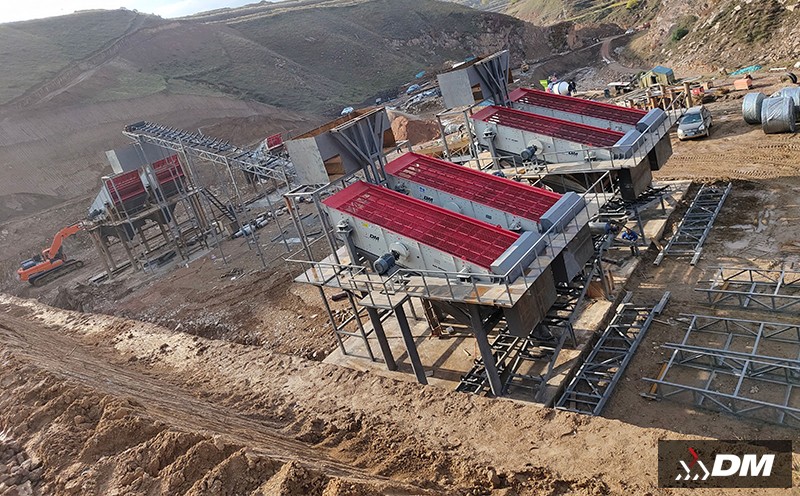
Professional Vibrating Screen Manufacturer Shanghai Dongmeng: Reducing Failure Risks From Equipment Source
Shanghai Dongmeng has been engaged in the R&D and manufacturing of screening and crushing equipment for many years. It develops a full range of vibrating screens suitable for complex working conditions worldwide, and avoids most inherent faults through optimized equipment design and structural materials. The screen frame is connected by ring groove rivets instead of ordinary welding, greatly improving vibration resistance and crack resistance to effectively prevent frame tearing. Vibrators are equipped with thickened bearings and multi-layer sealing structures for moisture and dust resistance, adapting to rainy and windy environments and lowering bearing overheating and abnormal noise. The screen surface inclination angle and screen mesh material can be customized according to customer materials and local climate before delivery to avoid low screening efficiency, material clogging and mixing during the model selection stage.
For mobile vibrating screens prone to shaking due to frequent relocation, Shanghai Dongmeng optimizes the chassis shock absorption and locking structure to achieve higher stability after transportation and placement. All models are equipped with convenient maintenance openings and hydraulic auxiliary structures, enabling quick replacement of screen meshes, bearings and springs without complicated disassembly for overseas operators.
3. Global Fault Support System Provided by Shanghai Dongmeng
1. Multilingual fault manuals: Fault comparison tables in Chinese, English, French and other languages are provided, listing fault phenomena, causes and step-by-step maintenance procedures for overseas operators to conduct self-inspection and troubleshooting;
2. Remote technical support: A 7×24 online technical team offers remote video diagnosis for faults including abnormal noise, irregular vibration and poor screening effect of vibrating screens, and delivers rectification plans rapidly;
3. Global original spare parts warehousing: Full-range original spare parts including screen meshes, springs, bearings and oil seals are stocked globally. Overseas customers enjoy short replenishment cycles without long ocean shipping waiting time, greatly shortening downtime for fault repair;
4. On-site training service: Engineers can be dispatched to overseas large-scale production lines for hands-on training covering fault identification, disassembly maintenance and routine preventive maintenance, reducing human-caused failures through standardized operation.
4. Summary of Long-term Fault Prevention Principles
Fault management of vibrating screens includes passive maintenance and active prevention. Passive maintenance only limits losses, while active prevention relies on three aspects: standardized daily inspection and maintenance, persistent use of matched original accessories, and selection of high-quality equipment adapting to actual working conditions. For mining and solid waste enterprises all over the world, choosing mature vibrating screen manufacturers such as Shanghai Dongmeng allows access to anti-failure vibrating screen equipment, complete troubleshooting solutions, global spare parts supply and cross-border technical assistance. It helps cut fault frequency, shorten downtime for maintenance and guarantee stable and long-term operation of sand and stone production lines.
Get In Touch With Us