 English
 简体中文
简体中文
 عربي
عربي
 Русский
 Français
 Español
5 Tips and Solutions for Vibrating Screen Problems
In global production scenarios such as mine crushing, sand and gravel aggregate processing, construction waste recycling and road infrastructure construction, the vibrating screen is a core screening device that cooperates with crushers to complete material grading, impurity removal and dewatering. The operational stability of the equipment directly determines the finished product quality and production efficiency of the entire production line. Affected by complex field working conditions, differences in material humidity, long-term high-load operation and irregular manual operation, vibrating screens are prone to common problems including incomplete screening, screen blockage, reduced production capacity, abnormal noise and overheating bearings. These issues frequently cause production line shutdowns and output reduction, rising operation and maintenance costs, and unqualified aggregate products, which are common operational pain points for global sand and gravel enterprises and engineering contractors. To quickly resolve various screening faults and avoid potential equipment risks in the long run, it is necessary to master professional troubleshooting skills and rely on high-quality equipment and supporting technical solutions from reliable crusher manufacturers, so as to ensure efficient and stable operation of production lines from the dimensions of equipment hardware, daily maintenance and fault handling, and adapt to complex construction conditions worldwide.
1. Screen Blockage and Material Adhesion: Quick Dredging and Long-term Prevention Tips
Screen blockage is the most frequent problem of vibrating screens. Especially in humid and rainy construction areas with high mud content, wet materials and fine powders easily adhere to screen holes, causing screen clogging and material accumulation, which directly reduces screening efficiency and increases impurity content in finished products. Most users only clean the screen manually after shutdown, which only solves the superficial problem and leads to repeated blockage that seriously affects the production progress.
Solutions: In the short term, use high-pressure air blowing and soft brushes to clean residual sticky materials on the screen, and avoid hard scraping to prevent screen damage. During production, appropriately increase the equipment amplitude and reduce the feeding speed to relieve material accumulation pressure. For long-term optimization, install bouncing ball screen cleaning devices and replace anti-clogging elastic screens. Adjust the equipment inclination for viscous materials to fundamentally avoid material adhesion and blockage, adapting to humid and muddy working conditions.
2. Incomplete Screening and Uneven Material Grading: Precision Adjustment and Optimization Tips
Common operational problems such as fine materials mixed in coarse aggregates, excessive impurities in finished products, material deviation and inconsistent screening effect on both sides are mainly caused by uneven feeding, unreasonable screen inclination, deviation of vibration phase angle and unlevel equipment body, resulting in unqualified aggregate gradation that fails to meet international engineering material standards.
Solutions: First, calibrate the horizontal level of the equipment and check whether the shock-absorbing springs are aging or unevenly stressed to eliminate material deviation. Adjust the feeding device to ensure materials are evenly spread on the screen surface and avoid unilateral concentrated feeding. Fine-tune parameters according to material characteristics: increase the screen inclination for dry and hard stones to improve material passing rate, and reduce the inclination for wet fine materials to extend screening time. Accurately correct the vibration phase angle to completely solve the problems of uneven grading and incomplete screening.
3. Abnormal Vibration and Noise: Noise Reduction and Stabilization Troubleshooting Tips
Irregular noise, severe shaking and body resonance during the operation of vibrating screens are typical signs of equipment aging, loose or worn accessories. Long-term neglect will lead to screen box deformation and vibrator damage, cause major equipment failures and greatly shorten the service life of the equipment. Common inducements include loose body bolts, bearing wear caused by insufficient lubrication, aging or broken shock-absorbing springs, and unbalanced screen tension.
Solutions: Regularly fasten all fixing bolts of the screen box, vibrator and base during daily maintenance to eliminate looseness risks. Inspect the bearing lubrication status regularly, fill with high-temperature resistant grease in a timely manner, and replace severely worn bearings immediately. Replace aging and broken shock-absorbing springs to ensure uniform stress on the equipment. Retighten loose screens to avoid collision noise and ensure stable and regular equipment vibration.
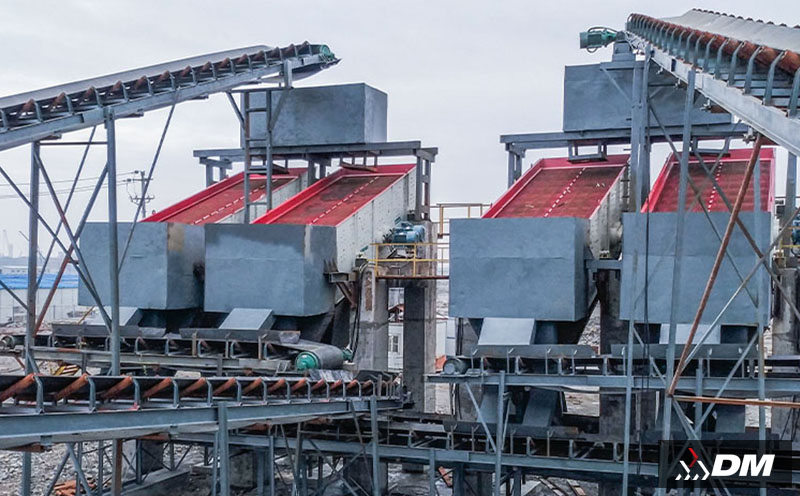
4. Reduced Production Capacity and Insufficient Discharging Efficiency: Production Improvement and Adjustment Tips
Decreased discharging speed and continuous capacity decline without obvious equipment faults are mostly caused by mismatched parameters, excessive material accumulation on the screen surface and attenuated power system performance. Many overseas users blindly increase feeding volume, which instead causes material accumulation, overload screening, lower production efficiency and higher energy consumption.
Solutions: Reasonably control feeding thickness and speed to realize thin-layer and uniform screening. For high-capacity production demands, appropriately increase the screen inclination and optimize vibration frequency to improve material conveying speed and screening efficiency. Regularly clean internal dust and caked materials to reduce operating load, and calibrate vibrator power parameters to restore the rated production capacity without equipment replacement.
5. Bearing Overheating and Vulnerable Component Wear: Long-term Maintenance and Service Life Extension Tips
Excessively high bearing temperature, frequent bearing burnout and rapid component wear are common problems of vibrating screens operating under long-term open-air high-load conditions worldwide. The main causes include improper lubrication, unstable voltage, long-term overload operation and poor sealing structure that allows dust to wear core components, resulting in increased maintenance costs and frequent emergency shutdowns.
Solutions: Follow standardized regular lubrication rules, avoid excessive, insufficient or deteriorated grease, and adopt special high-temperature resistant lubricating materials matching the equipment. Regularly detect motor voltage and operating current to ensure stable power supply. Strengthen equipment sealing protection to prevent dust and mud from invading core parts. Prohibit long-term overload operation, establish daily inspection and regular maintenance records, eliminate hidden faults in advance, and greatly extend the service life of core components.
6. Frequent Equipment Failures Depend on the R&D Strength of Professional Crusher Manufacturers
Apart from improper operation and maintenance, the fundamental cause of recurring vibrating screen problems such as screen blockage, abnormal noise, poor screening effect and short service life of vulnerable parts lies in inherent design defects and inferior materials of low-end equipment. Vibrating screens produced by small factories have inherent deficiencies including low-quality screen materials, unreasonable shock absorption structures, low-precision vibrators and insufficient body rigidity. Even with standardized maintenance, they still suffer from frequent failures and poor stability, unable to adapt to high-intensity and complex global working conditions. In contrast, professional and reliable crusher manufacturers rely on mature R&D technology, refined structural optimization and strict quality control systems to reduce equipment failure risks fundamentally. They also provide professional fault solutions and operation guidance to help users solve various screening problems efficiently.
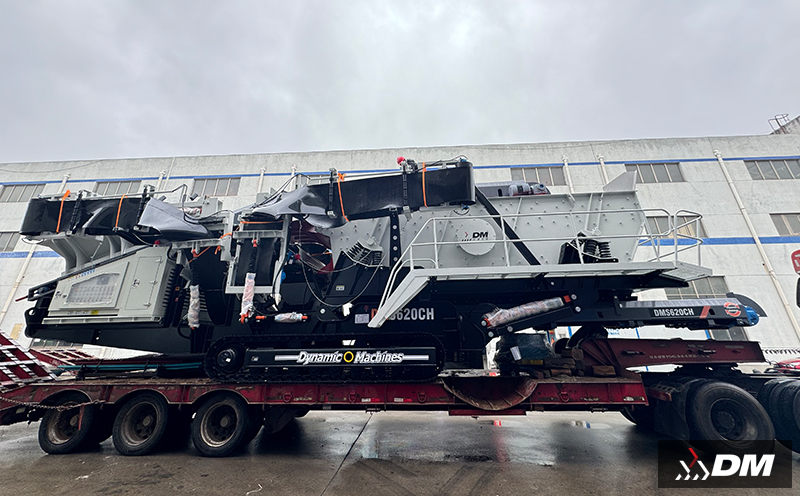
7. Shanghai Dongmeng Equipment: High-quality Vibrating Screens and Exclusive Solutions to Solve All Kinds of Screening Problems
As a powerful professional crusher manufacturer deeply engaged in the global crushing and screening industry, Shanghai Dongmeng Equipment has focused on the R&D and production of vibrating screens for many years. It thoroughly investigates screening pain points in different regions, materials and working conditions worldwide, and specially optimizes equipment structures and core configurations targeting common problems such as material blockage, uneven screening, abnormal vibration, insufficient capacity and quick component wear, developing high-stability, low-failure and easy-maintenance high-end vibrating screens.
Shanghai Dongmeng vibrating screens adopt reinforced integral bodies and high-strength wear-resistant screens with strong impact resistance, deformation resistance and anti-clogging performance, adapting to diverse and complex working conditions including ores, solid waste, wet materials and hard materials. The optimized shock absorption structure and precise vibration system ensure uniform and stable operation, fundamentally eliminating resonance, material deviation and abnormal noise, with screening accuracy and production capacity exceeding industry standards. The equipment is designed with convenient maintenance structures and accessible lubrication points, simplifying the disassembly and replacement of vulnerable parts, greatly reducing maintenance difficulty and costs for overseas users, and perfectly matching the overseas operational characteristics of labor shortage and high construction intensity.
Relying on a mature global service system, Shanghai Dongmeng provides overseas customers with one-stop services including complete screening fault troubleshooting guides, standardized maintenance manuals, remote technical support, on-site commissioning training and global delivery of original parts. The brand not only supplies high-quality vibrating screen equipment, but also provides targeted efficient solutions for various screening problems, helping overseas users quickly eliminate equipment faults and hidden operational risks, ensure continuous and stable production of crushing and screening lines, and empower the green and efficient development of global mining, infrastructure and solid waste recycling projects.
8. Conclusion
Common vibrating screen problems can be quickly solved and effectively prevented through scientific adjustment skills and standardized daily maintenance. The five core faults including screen blockage, uneven grading, abnormal vibration, capacity decline and component overheating are key factors affecting the benefits of global crushing production lines. To completely eliminate equipment failures and achieve long-term stable production, it is essential to master professional fault handling and equipment calibration skills, and select professional crusher manufacturers with mature technology, reliable quality and comprehensive services. As a high-quality original brand represented by Shanghai Dongmeng Equipment, it continues to empower the upgrading of global crushing and screening projects with optimized equipment performance, mature working condition solutions and all-round global services, helping the industry reduce costs, increase efficiency and achieve green and sustainable development.
Get In Touch With Us